Category: Industry Specific
-
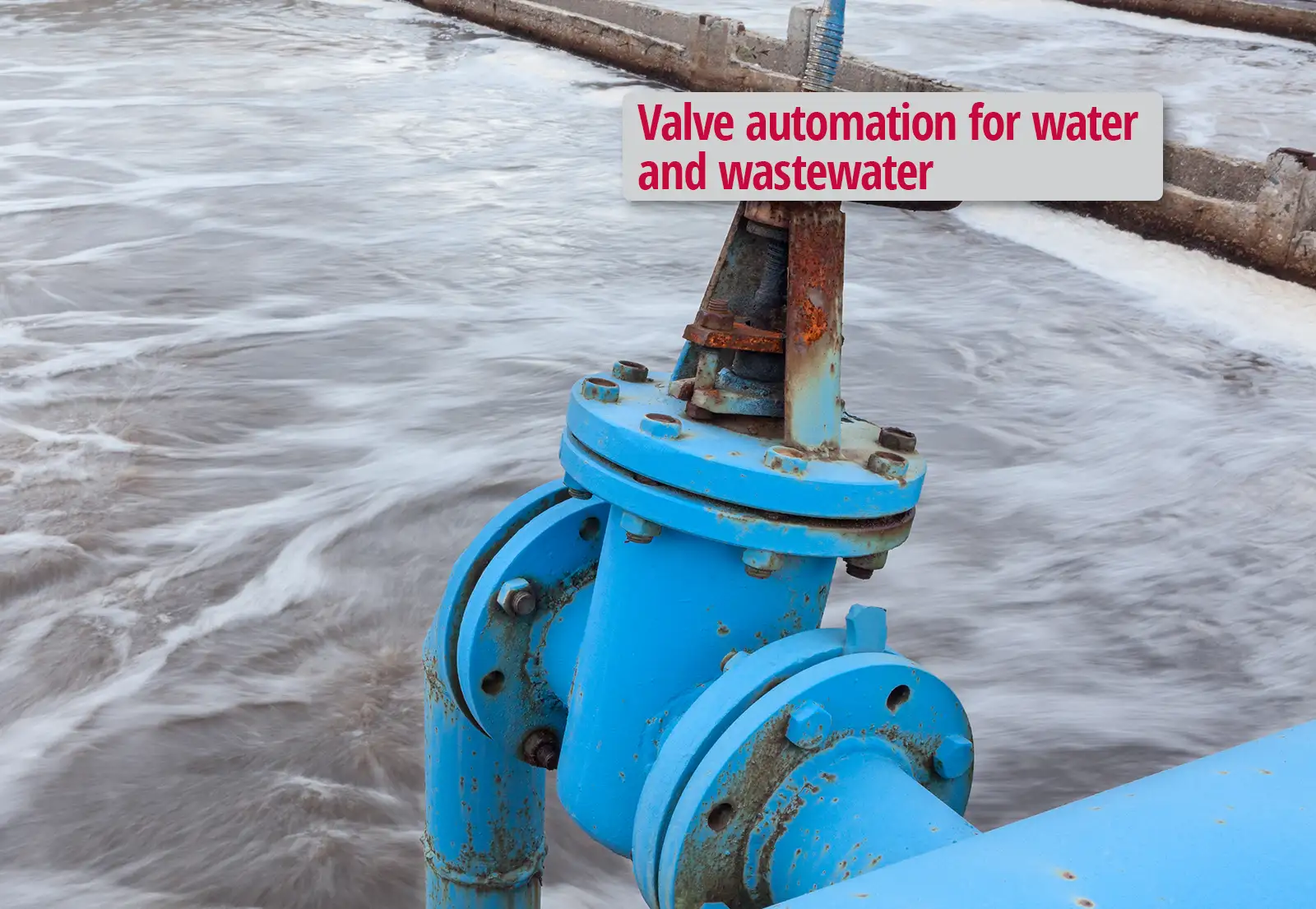
Valve Automation for Water and Wastewater Infrastructure
Valve automation for water and wastewater infrastructure is entering its busiest stretch in decades. The EPA’s most recent needs assessments put the price tag at $625 billion for drinking water infrastructure and $630 billion for wastewater and stormwater systems, both over the next 20 years (EPA, 7th Drinking Water Infrastructure Needs Survey and Assessment; EPA,…
-
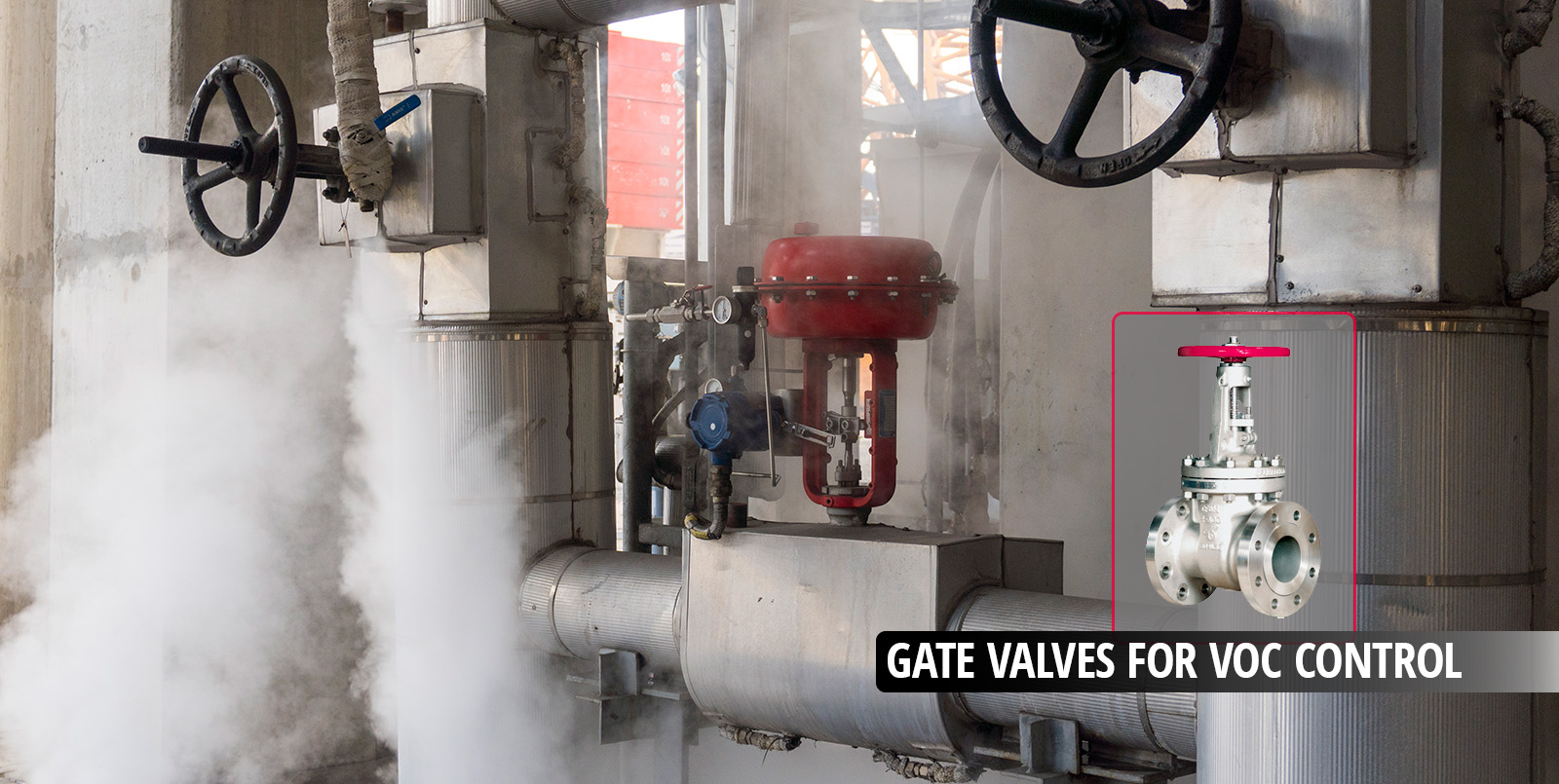
Low Emission Gate Valves for VOC Control in Refineries and Chemical Plants
In refineries, chemical plants, and power generation facilities, low emission gate valves do more than just start and stop flow. They can also become potential leak points when handling volatile organic compounds, or VOCs. That makes valve selection an important part of a broader emissions-control strategy. The EPA identifies leaking equipment, including valves, pumps, and…
-

Automated Valves for Data Center Redundancy and Fail-Safe Systems
Modern data centers are engineered around redundancy models such as N+1 and 2N to prevent downtime. Every major cooling, power, and fluid-handling subsystem is designed with backup capacity. However, redundancy only performs as intended when isolation and control components respond instantly and predictably. At the same time, compute density — the amount of processing power…
-
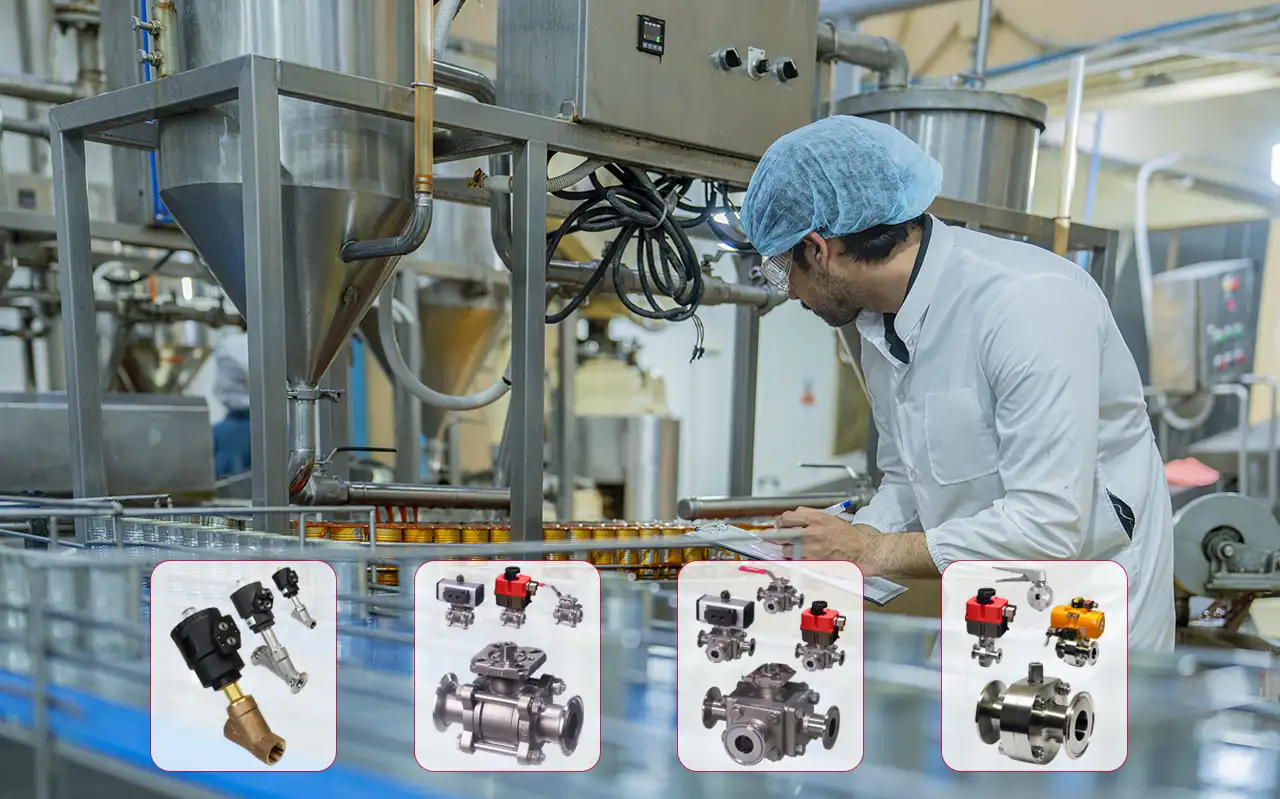
From Manual to Smartest: How Automated Valves Streamline CIP & SIP in Food & Beverage Plants
In any food or beverage production facility, clean-in-place (CIP) and sterilize-in-place (SIP) systems are nonnegotiable components of process integrity and safety. As you know, plants must maintain strict sanitation standards to comply with regulatory agencies and avoid product recalls, contamination events, or shutdowns. This is why automated valves in CIP and SIP play an essential…
-
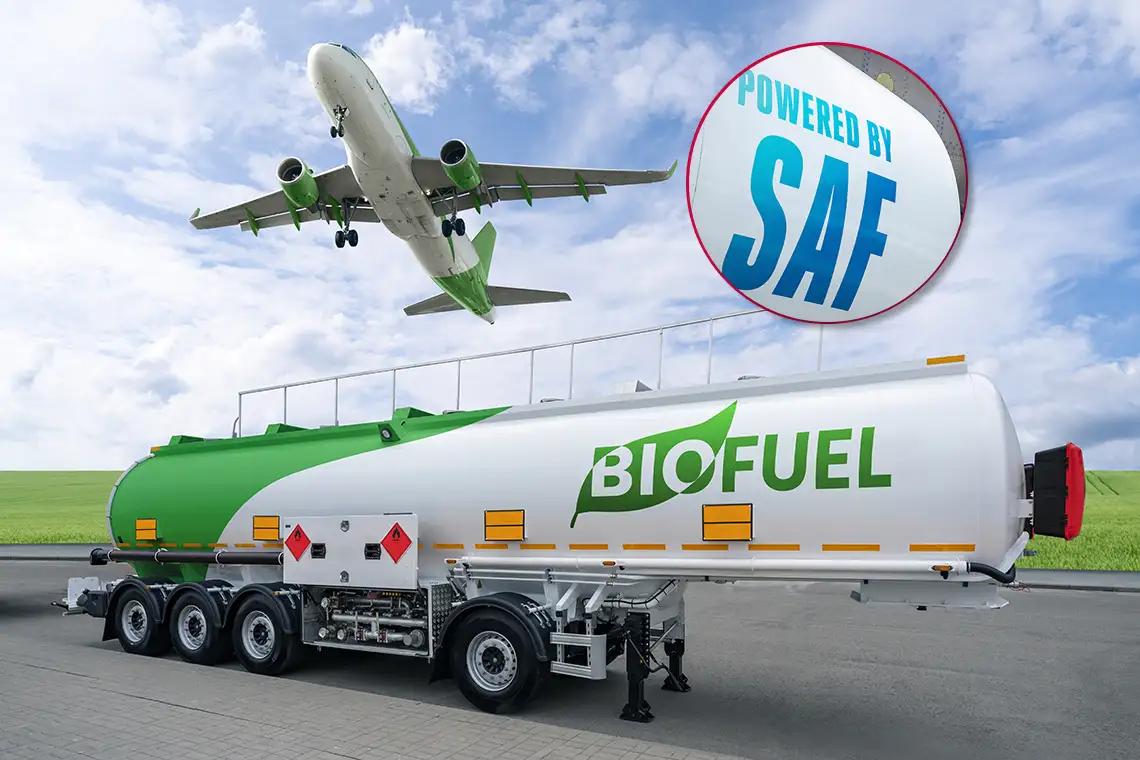
Evolving Valve Automation for Biofuels: What Today’s Producers Need to Know
The biofuels industry has come a long way since its early days of small pilot plants and single-feedstock processing. In the U.S., the market was valued at USD 63.5 billion in 2023 and is projected to grow at a 5.1% CAGR through 2030 (Grand View Research). Sustainable Aviation Fuel (SAF) is a particularly fast-growing segment.…
-

Oxygen Reduction Systems in Data Centers: A Smarter Approach to Fire Prevention
Every minute of data center downtime can cost thousands, and fire is among the most disruptive risks operators face. Traditional suppression systems, such as sprinklers or gas-based agents, only respond after a fire has started, often causing additional damage in the process. That’s why a growing number of data centers are turning to a smarter…
-
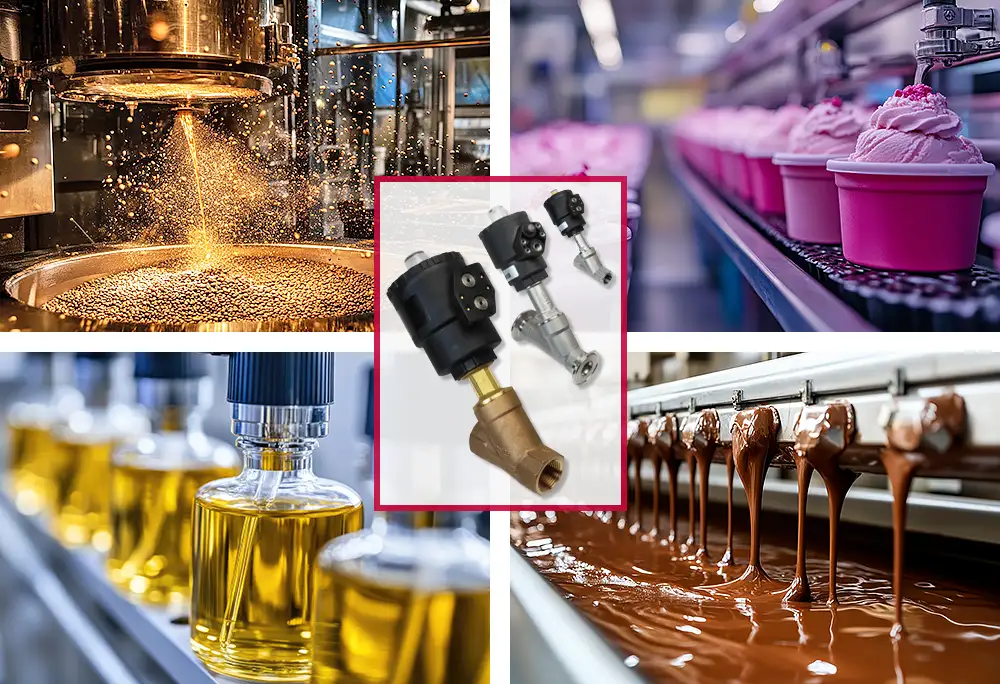
Automated Valves for the Flavor and Fragrance Industry: Improving Precision, Compliance, and Efficiency
Automated valves for the flavor and fragrance industry play a critical role in meeting the sector’s high demands for cleanliness, precision, and batch consistency. Whether it’s flavor formulations for food and beverages or aroma compounds for personal care and household products, manufacturers must balance strict regulatory compliance with scalable, efficient operations. In this environment, even…
-
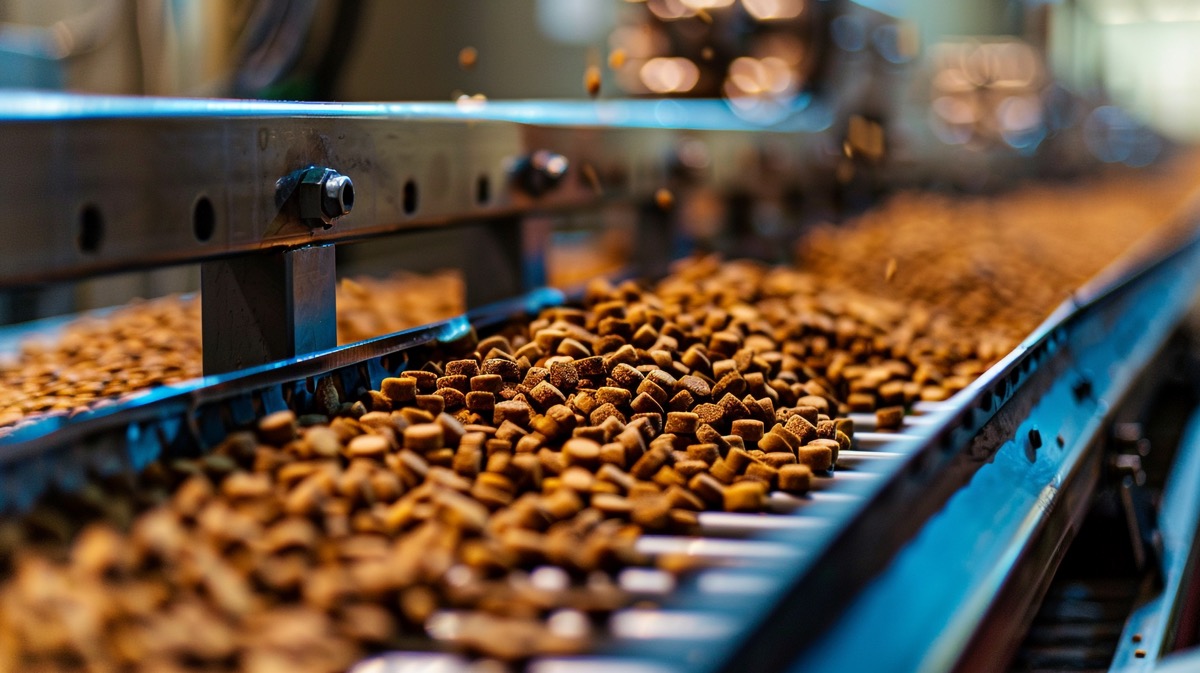
Automation in Human and Pet Food Production
Artificial Intelligence (AI) and robotics are dominating news headlines. Yet manufacturers of food, whether it be for humans or pets, automate their production lines with automated valve assemblies that are driven by PLCs, HMIs, and dedicated computers designed to handle the complex operations of a factory floor. The actuated valve assemblies controlled in this manner…
-

How Sanitary Valves Are Gaining Interest in Data Center Cooling Systems
As data centers grow larger and more power-intensive, liquid cooling is emerging as a preferred alternative to traditional air cooling. This shift is opening new conversations around components used in cooling loops—including sanitary valves. At Assured Automation, we’ve started fielding inquiries from engineers, contractors and distributors working on data center cooling lines who are exploring…
-
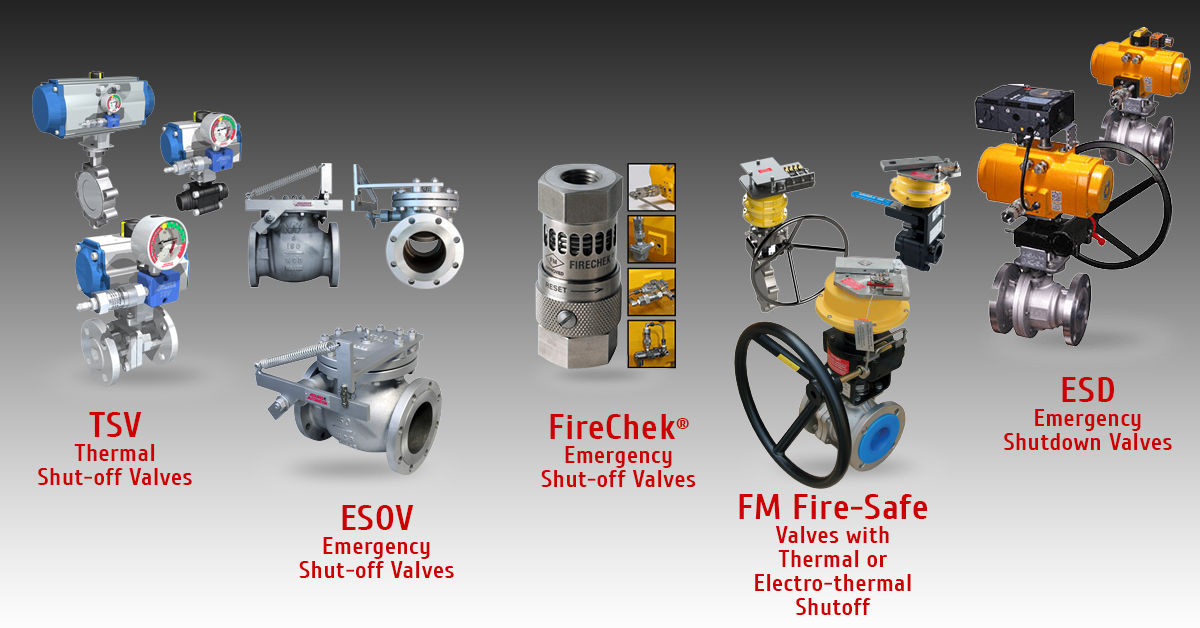
Selecting Fire Safety Shut-down Valves
Thermal shutoffs prevent overheating, trigger fire suppression, and comply with safety regulations makes them an essential component of industrial fire prevention strategies.
-
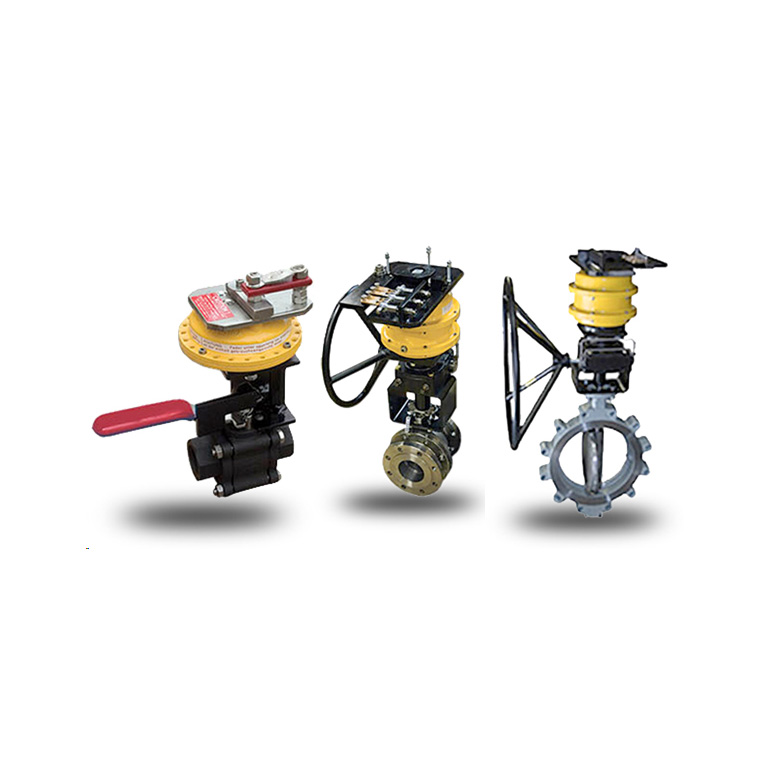
Safeguarding Operations with FM Fire-Safe Valves for Flammable Liquids
Flammable liquids are integral to many industrial processes, including chemical manufacturing, petroleum refining, pharmaceuticals, and flavor and fragrance manufacturing. However, the very properties that make these liquids useful also make them hazardous. The risk of fires or explosions when handling flammable liquids cannot be overstated, which is why robust safety measures are crucial. The Importance…
-
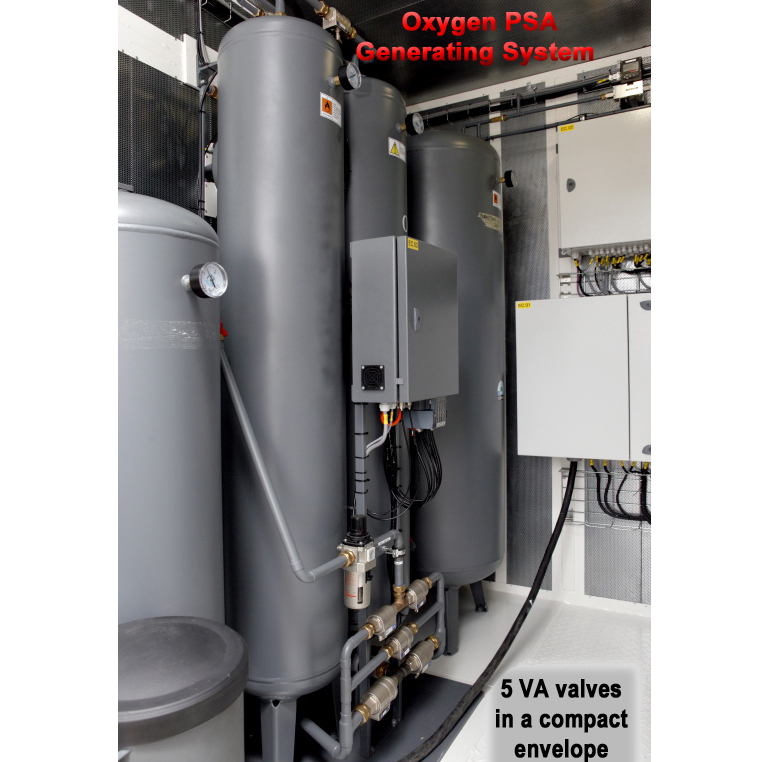
Streamlining PSA Systems with Compact Automated Valves
In the world of gas separation and purification, Pressure Swing Adsorption (PSA) systems are indispensable . These systems play a crucial role in generating high-purity nitrogen and oxygen gases, catering to a myriad of industries ranging from healthcare to manufacturing. However, the efficiency and reliability of PSA systems heavily rely on many components, with valves…