Valve actuator speed is easy to overlook when specifying an automated valve. Engineers typically focus first on valve size, pressure and temperature ratings, materials, actuator torque, and fail-safe requirements. Engineers may pay less attention to how quickly the valve moves from fully open to fully closed.
That can be a mistake.
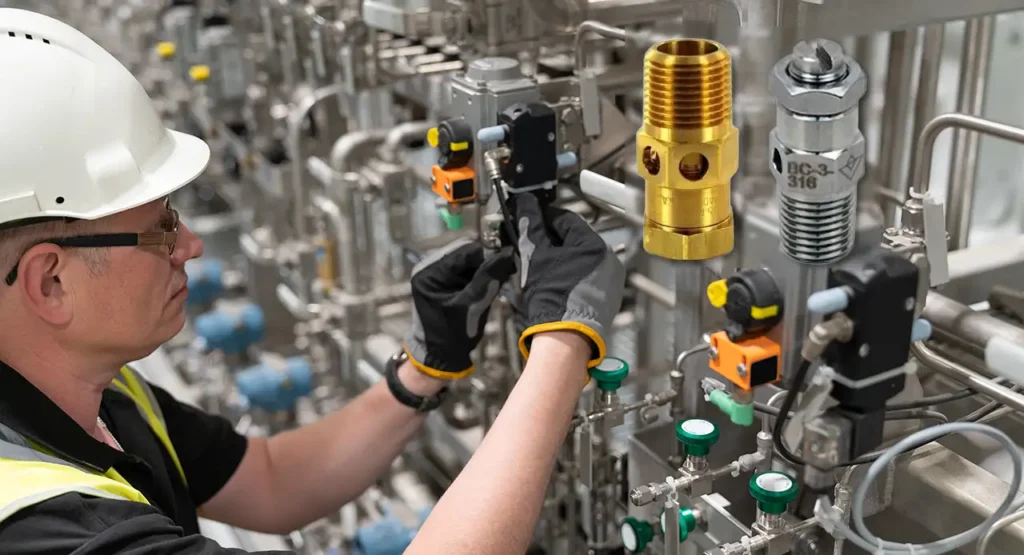
Faster valve operation is not always better. Depending on the application, a valve that closes too quickly can contribute to pressure surges, water hammer, mechanical shock, and process instability. Bleed Control Valves can fine-tune the opening and closing speed of quarter-turn pneumatic actuators by regulating actuator cycle times, helping provide smoother valve operation while reducing hydraulic and mechanical shock.
A valve that operates too slowly can create different problems, including excessive cycle times, poor process response, or inadequate emergency isolation.
The right valve opening and closing speed depends on the process, piping system, valve, actuator, and what the valve is expected to accomplish.
Why Valve Actuator Speed Matters
An automated valve does more than move between two positions. Every opening or closing action changes flow through the piping system.
How quickly that happens can affect:
- Fluid velocity and system pressure
- Pumps, piping, fittings, and downstream equipment
- Filling, draining, batching, and transfer times
- Process control and repeatability
- Mechanical loading on the valve and actuator
- Emergency shutdown performance
No standard actuator cycle time fits every installation. Even two valves of the same size may require different operating speeds because they serve different process functions.
For example, an automated isolation valve on a liquid transfer line may need a controlled closing time to avoid a pressure surge. A valve diverting product during a high-speed process may need to move much faster.
That is why you should treat automated valve operating speed as an application requirement rather than simply an actuator specification.
Fast Valve Closing Can Cause Pressure Surges and Water Hammer
One of the most familiar consequences of excessive valve closing speed is water hammer. When flowing liquid is stopped too quickly, the sudden change in velocity can create a pressure wave that stresses piping, fittings, pumps, instrumentation, and other system components.
The risk depends on factors such as fluid velocity, pipe size and length, system pressure, and piping layout. When an actuated ball valve or automated butterfly valve is used for liquid isolation, consider closing time as part of the overall piping-system design.
Slower Valve Opening Can Also Protect the Process
Valve opening too quickly may cause pressure fluctuations, disturb downstream equipment, or upset a controlled process. A more gradual opening may be preferable when filling an empty line, introducing liquid into a vessel, or bringing equipment online.
However, slower is not always better. A valve that takes too long to operate can reduce production efficiency or prevent the system from responding quickly enough.
Operating speed is especially important for:
- Fast filling or dispensing
- Product diversion
- High-cycle machinery
- Automated sequencing
- Compressor or air-system control
- Emergency isolation
Some applications are designed specifically for rapid response. Assured Automation’s coaxial valves, for example, combine the pneumatic actuator and valve in a compact assembly for fast-acting, high-cycle on/off applications.
The goal is to match valve opening and closing speed to what the process actually requires—not simply make the valve as fast or as slow as possible.
Pneumatic Actuator Speed Control
Pneumatic actuators provide fast, reliable quarter-turn valve operation. Their speed depends on factors such as actuator size, valve torque, air pressure, tubing, solenoid capacity, and exhaust flow.
Assured Automation’s C Series pneumatic actuators use a rack-and-pinion design for 90-degree operation of ball, butterfly, and plug valves. A NAMUR solenoid valve can mount directly to the actuator to control the air supply.
When an actuator operates faster than the process requires, you can restrict exhaust airflow to slow its movement.
Assured Automation’s Bleed Control Valves provide adjustable pneumatic actuator speed control. They let you fine-tune opening and closing times for smoother, more controlled valve operation.
Adjustments should be made carefully. Too much restriction can make actuator movement unnecessarily slow or erratic.
Electric Actuator Speed Is Usually Selected Differently
With an electric valve actuator, actuator cycle time is usually more closely tied to the motor and gearing of the selected actuator.
Assured Automation’s electric actuator families are available with different torque ratings, duty cycles, and operating speeds. The S4 series electric actuators, for example, are designed for quarter-turn ball and resilient-seated butterfly valves.
If an application requires a valve to complete a 90-degree stroke within a specific time, establish that requirement before selecting the actuator rather than discovering it during commissioning.
For processes requiring intermediate valve positions instead of simple on/off operation, valve positioners can provide precise positioning of pneumatically actuated valves in response to a process control signal.
Emergency Isolation May Change the Speed Requirement
Emergency shutdown applications create another important consideration.
Under normal conditions, slowing a valve may improve process stability or reduce hydraulic shock. During an emergency, however, that same valve may need to isolate flow within a defined period.
For example, a spring-return pneumatic actuator may be selected to move the valve to a predetermined fail position if air or control power is lost. Restricting actuator movement without considering the required emergency closing or opening time could compromise that function.
When emergency isolation is involved, define the required fail-safe position and maximum allowable stroke time as part of the valve specification.
Position feedback may also be important. Valve limit switches can provide electrical confirmation that an automated valve has reached its fully open or fully closed position.
Specify Valve Opening and Closing Speed Before Selecting the Actuator
Instead of asking whether an automated valve should operate fast or slow, Design Engineers and Project Managers should start with a more useful question:
How quickly does this process require the valve to operate?
Before specifying the valve automation package, consider:
- What happens hydraulically when the valve opens or closes?
- Could rapid closure cause water hammer or a damaging pressure surge?
- Will fast opening upset the process or downstream equipment?
- Is there a required production or sequencing cycle time?
- Does the valve perform an emergency shutdown function?
- Are different opening and closing speeds desirable?
- Is position confirmation required after the valve completes its stroke?
For MRO professionals troubleshooting an existing installation, these questions can help determine whether repeated shock, piping noise, component wear, or process disturbances relate to valve operating speed rather than a defective valve.
The fastest automated valve is not necessarily the best-performing valve. Selecting the right valve and actuator combination—and controlling its operating speed when necessary—can provide smoother process operation, reduce unnecessary mechanical and hydraulic stress, and deliver the response time the application actually requires. If you need help determining the right valve, actuator, operating speed, or speed-control accessories for your application, contact Assured Automation’s valve automation experts. They can help you evaluate the operating conditions and select an automation package suited to your process.

General Manager