Category: Flow Meter Case Studies
-
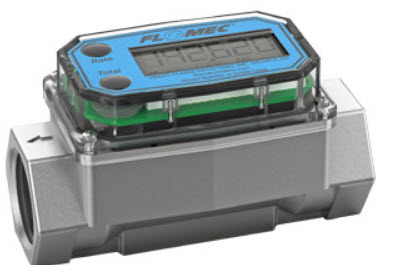
Propane & LPG Service Stations Use Flow Meters to Monitor Gas Dispensed
Problem: Stations need a way to monitor propane dispensed by volume and by weight for inventory tracking. The propane dispenser uses volume measurement while portable bottles are sold by weight. The solution to track both amounts requires accuracy, simplicity and must be economical. This application requires reliable measurement with easy maintenance. Solution: Assured Automation’s G2…
-
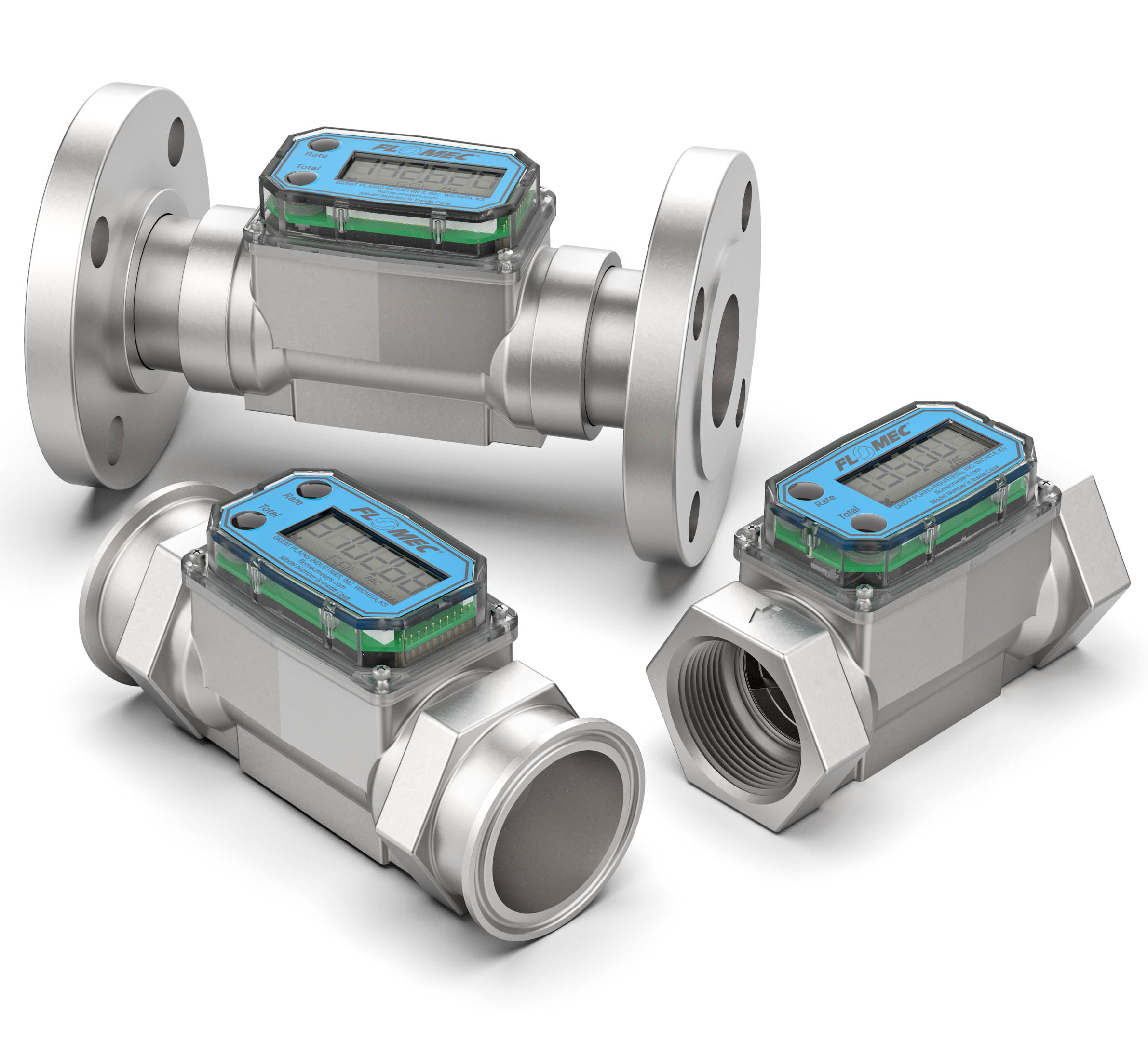
Municipalities Use Assured Automation G2 Series Flow Meters Monitor Water Flowrates
Problem: Homeowners and businesses need to verify flowrate of water supply and accuracy of city equipment from main water line to individual properties. Other methods of verification can be inconvenient, time consuming and costly. Solution: Remove the residential meter from the line. Install an Assured Automation G2 industrial fluid flow meter to the residential service…
-

Assured Automation A1 Series Flow Meters for Cooling Towers
Problem: Companies need to adjust flowrate to maintain a constant temperature of cooling water used for various processes. Unstable or fluctuating chill water temperatures can cause quality problems or possibly even damage to expensive equipment. Solution: Add an Assured Automation A1 Series Commercial Grade Fluid Flow Meter in line to monitor the flowrate through the…
-
Assured Automation G2 Series Flow Meters Used to Deice Airplanes
G2 Series Glycol Meter for Deicing Applications Problem: Deicing fluid, a mixture of glycol and water, is heated and sprayed under pressure to remove ice and snow on an aircraft. The expensive deicing mixture was being wasted causing expenses to increase. Monitoring usage by individual treatment was required. Accurate billing receipts were important. Solution: Assured…
-
Concrete Contractor/Equipment Companies Use Assured Automation A1 Series Flow Meters to Monitor Water
Concrete Flow Meter: Economy Series and A1 Series Problem: A redi mix concrete company was encountering monetary loss due to batch quality differences. Drivers were manually adding water on site to bring the concrete mix to a suitable slump rating. The amount of added water was very subjective and was not monitored which caused variances in…