Category: Latest News
-
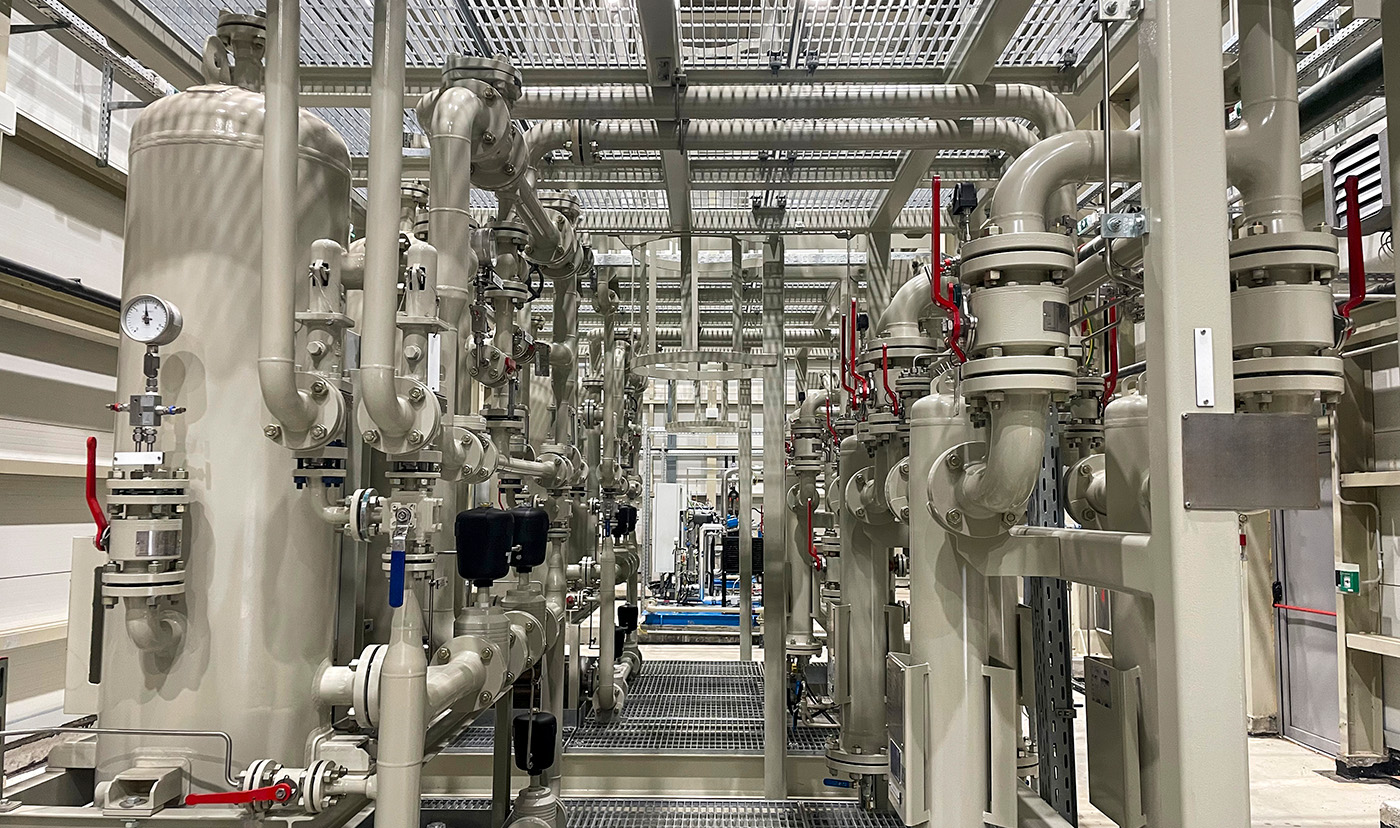
Designing Valve Automation Systems for Reliability, Maintainability, and Long-Term Performance
Designing valve automation systems is not just about selecting a valve and actuator that fit the pipe. Reliability, maintainability, and long-term performance are determined early—often before the system is ever installed. Poor design decisions may not show up on day one. They show up later as downtime, premature failures, and difficult maintenance. Reliable valve automation…
-
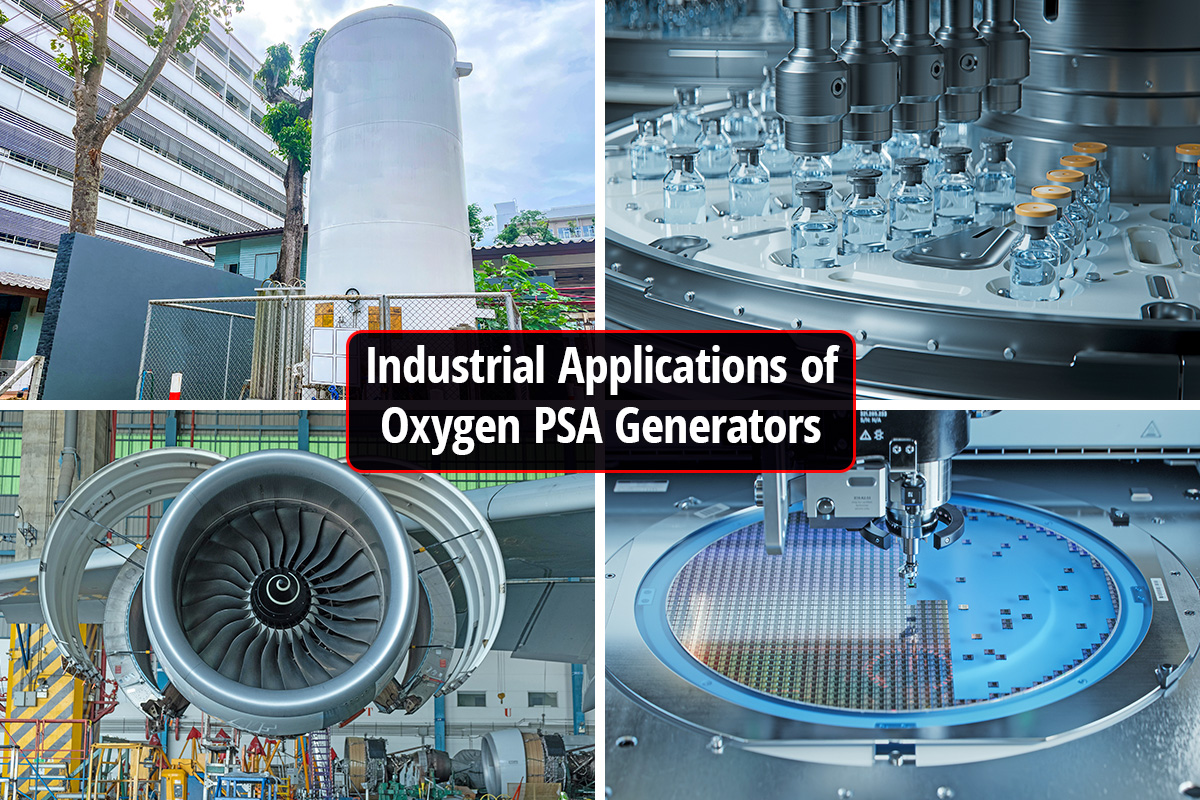
Safety, Purity, and Performance—Key Design Considerations for Valves in Oxygen PSA Generators
Why Valve Design Matters in Oxygen PSA Generators The growing use of oxygen PSA (Pressure Swing Adsorption) systems in medical, industrial, and environmental applications has made valve design a critical engineering priority. These systems depend on precision, cleanliness, and reliability. Unlike nitrogen PSA or other gas applications, oxygen systems present unique challenges. The gas itself…
-
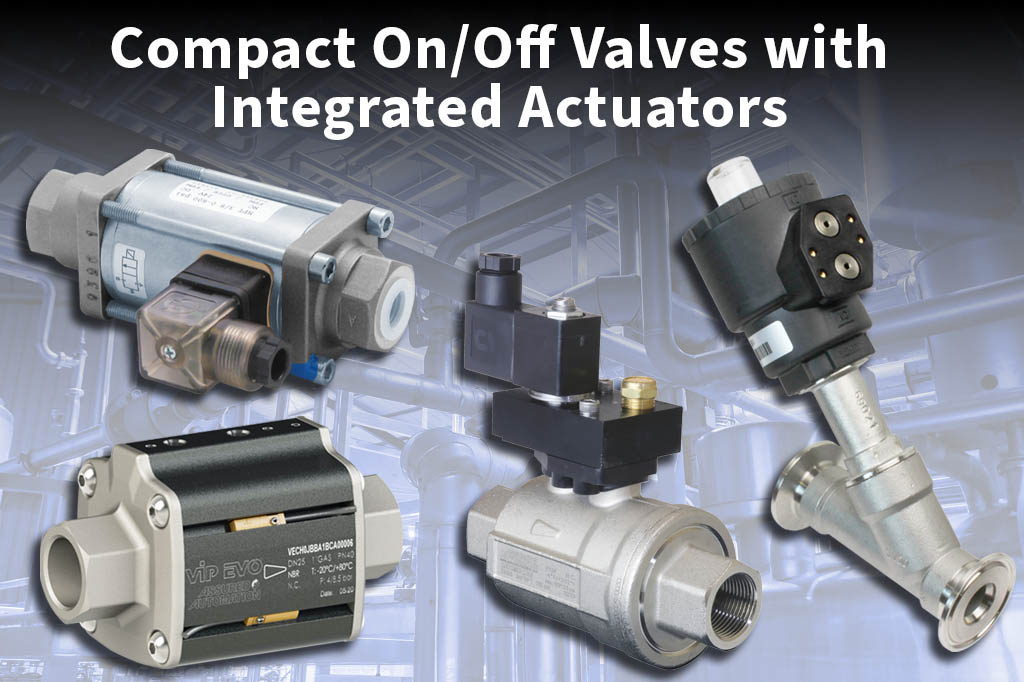
Better than Ball Valves! – Explore these Fast-acting Valves with Integrated Actuators
Ball valves have long been the default choice for on/off control in automated systems. They’re familiar, dependable, and widely available. However, when fast response, long cycle life, and air efficiency matter most, engineers are looking beyond traditional ball valves. Fast-acting valves with integrated actuators deliver quicker response times, higher reliability, and compact designs that outperform…
-
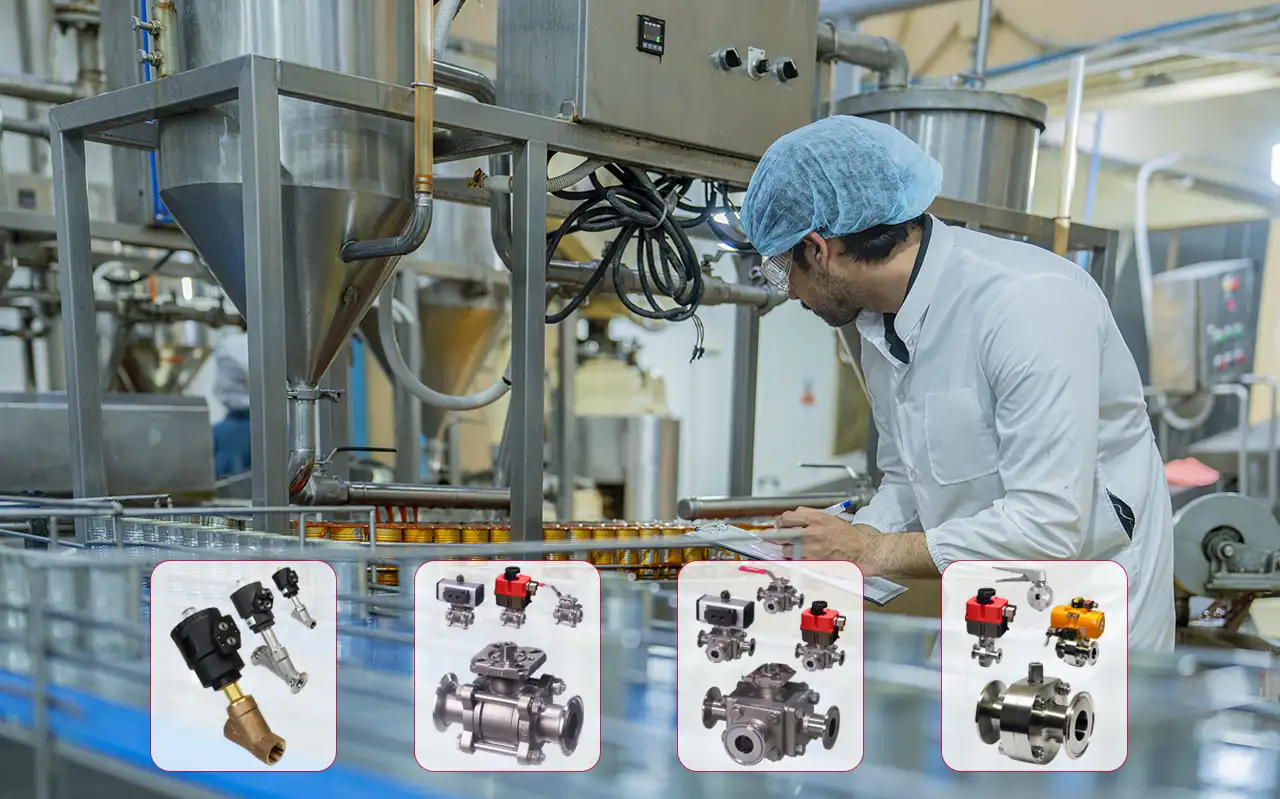
From Manual to Smartest: How Automated Valves Streamline CIP & SIP in Food & Beverage Plants
In any food or beverage production facility, clean-in-place (CIP) and sterilize-in-place (SIP) systems are nonnegotiable components of process integrity and safety. As you know, plants must maintain strict sanitation standards to comply with regulatory agencies and avoid product recalls, contamination events, or shutdowns. This is why automated valves in CIP and SIP play an essential…
-
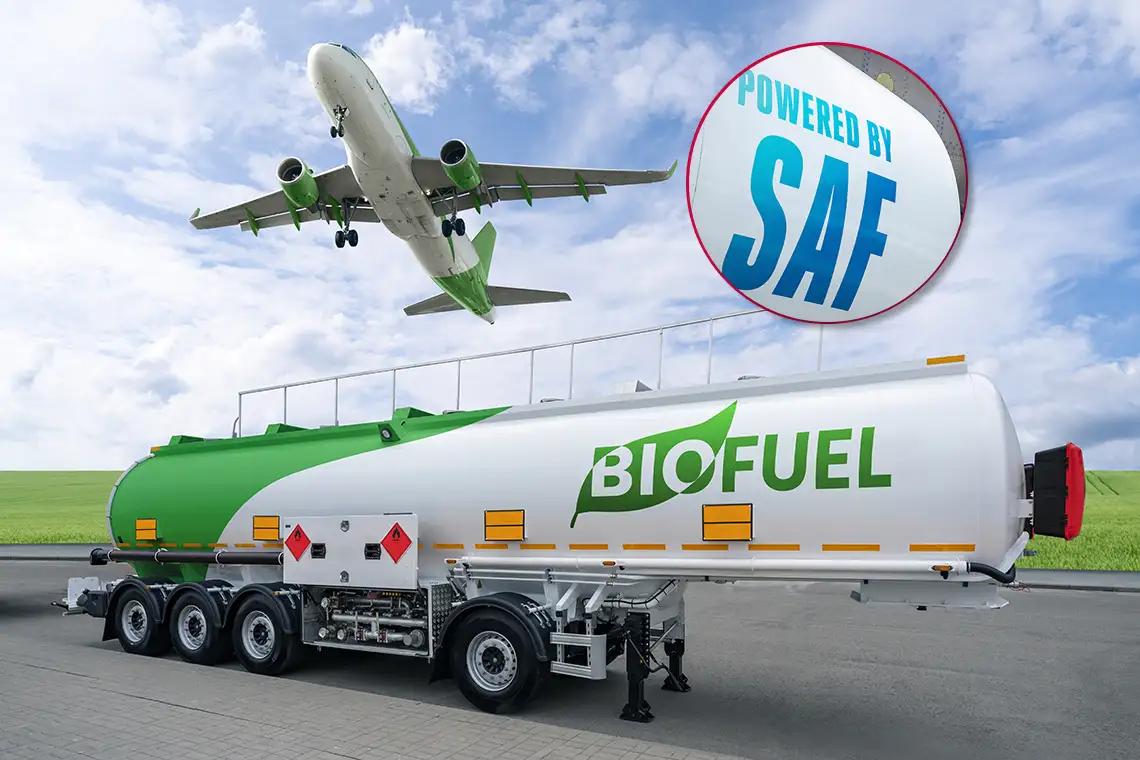
Evolving Valve Automation for Biofuels: What Today’s Producers Need to Know
The biofuels industry has come a long way since its early days of small pilot plants and single-feedstock processing. In the U.S., the market was valued at USD 63.5 billion in 2023 and is projected to grow at a 5.1% CAGR through 2030 (Grand View Research). Sustainable Aviation Fuel (SAF) is a particularly fast-growing segment.…
-

AI-Driven Predictive Maintenance for Actuated Valves
Predictive maintenance (PdM) leverages AI, machine learning, and IoT sensors to anticipate failures before they happen, reducing downtime and maintenance costs. In valve automation, PdM is particularly valuable in industries like oil & gas, chemical processing, water treatment, and power generation, where unplanned failures can lead to significant safety risks and operational losses. Continuous process…
-

Smart Control & Optimization for Actuated Valves
AI-Powered Adaptive Valve Control Traditional valve systems rely on pre-programmed control loops (PID controllers), which often struggle to keep up with fluctuating process conditions due to slow response times and overshooting or oscillation. AI enhanced smart control and optimization systems overcome slow response times by replacing real-time readings with predictive data models based on historical…
-

AI-Driven Valve Automation: What Are the Benefits it Provides?
Process applications that use valve automation are increasingly integrating Artificial intelligence (AI) to enhance efficiency, predictive maintenance, and process control and optimization. This article explains some key benefits of AI driven valve automation below. 1. Predictive Maintenance AI can analyze real-time sensor data (pressure, flow, temperature, vibration) to predict valve failures before they occur. This…
-
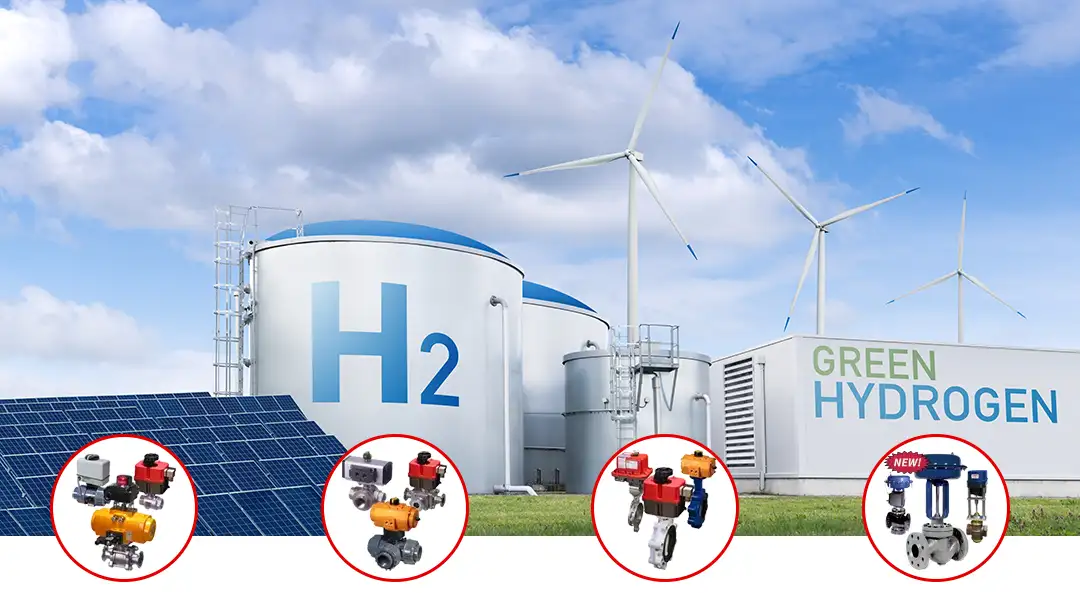
Automated Valves for Renewable Energy Applications: Why Demand Is Growing Across Clean Energy Projects
Automated valves for renewable energy applications are in high demand as clean energy projects expand globally. These systems require precise, reliable flow control. From green hydrogen and solar to wind and biofuels, each application presents unique challenges — harsh conditions, remote locations, and variable operating loads. Automated valves help meet these challenges by improving system…
-

Oxygen Reduction Systems in Data Centers: A Smarter Approach to Fire Prevention
Every minute of data center downtime can cost thousands, and fire is among the most disruptive risks operators face. Traditional suppression systems, such as sprinklers or gas-based agents, only respond after a fire has started, often causing additional damage in the process. That’s why a growing number of data centers are turning to a smarter…
-
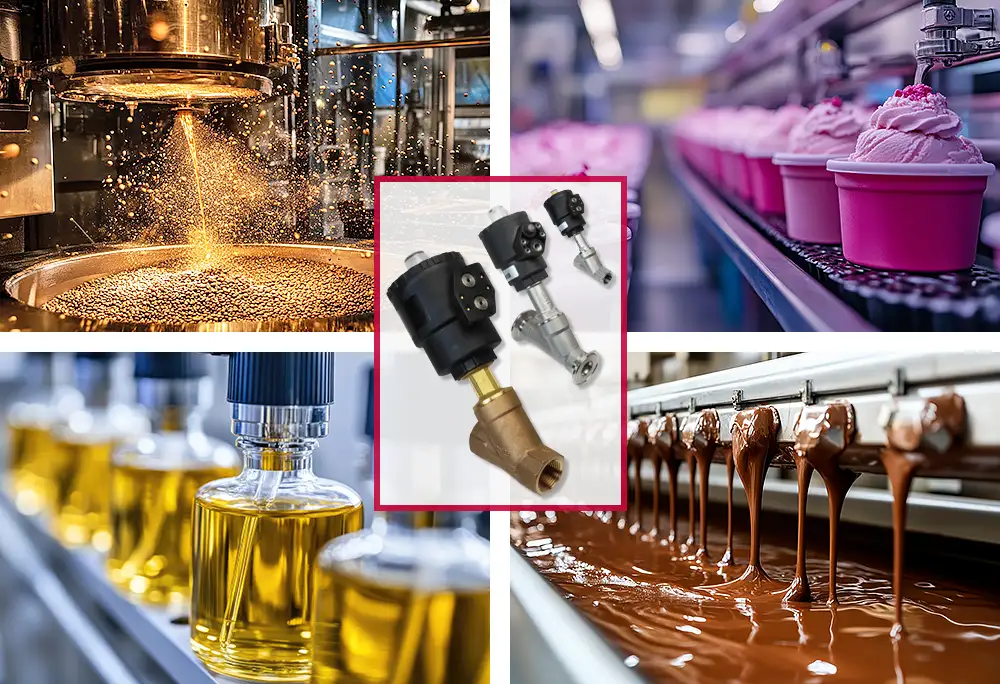
Automated Valves for the Flavor and Fragrance Industry: Improving Precision, Compliance, and Efficiency
Automated valves for the flavor and fragrance industry play a critical role in meeting the sector’s high demands for cleanliness, precision, and batch consistency. Whether it’s flavor formulations for food and beverages or aroma compounds for personal care and household products, manufacturers must balance strict regulatory compliance with scalable, efficient operations. In this environment, even…
-
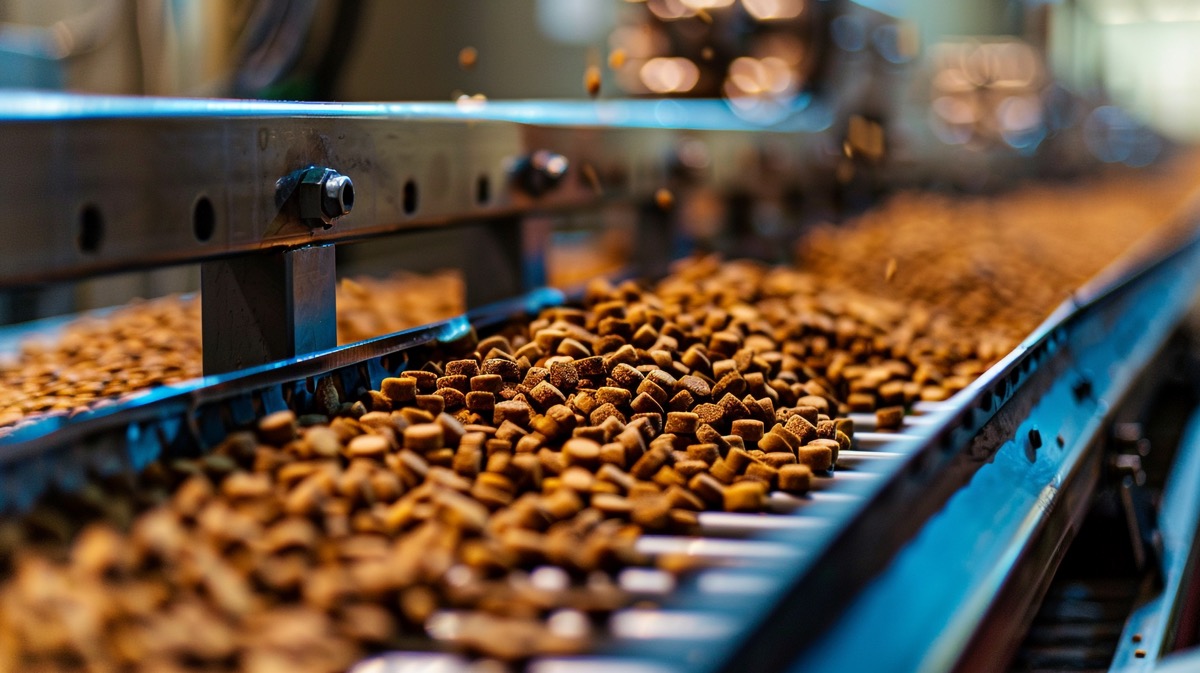
Automation in Human and Pet Food Production
Artificial Intelligence (AI) and robotics are dominating news headlines. Yet manufacturers of food, whether it be for humans or pets, automate their production lines with automated valve assemblies that are driven by PLCs, HMIs, and dedicated computers designed to handle the complex operations of a factory floor. The actuated valve assemblies controlled in this manner…