Our Latest Posts
-
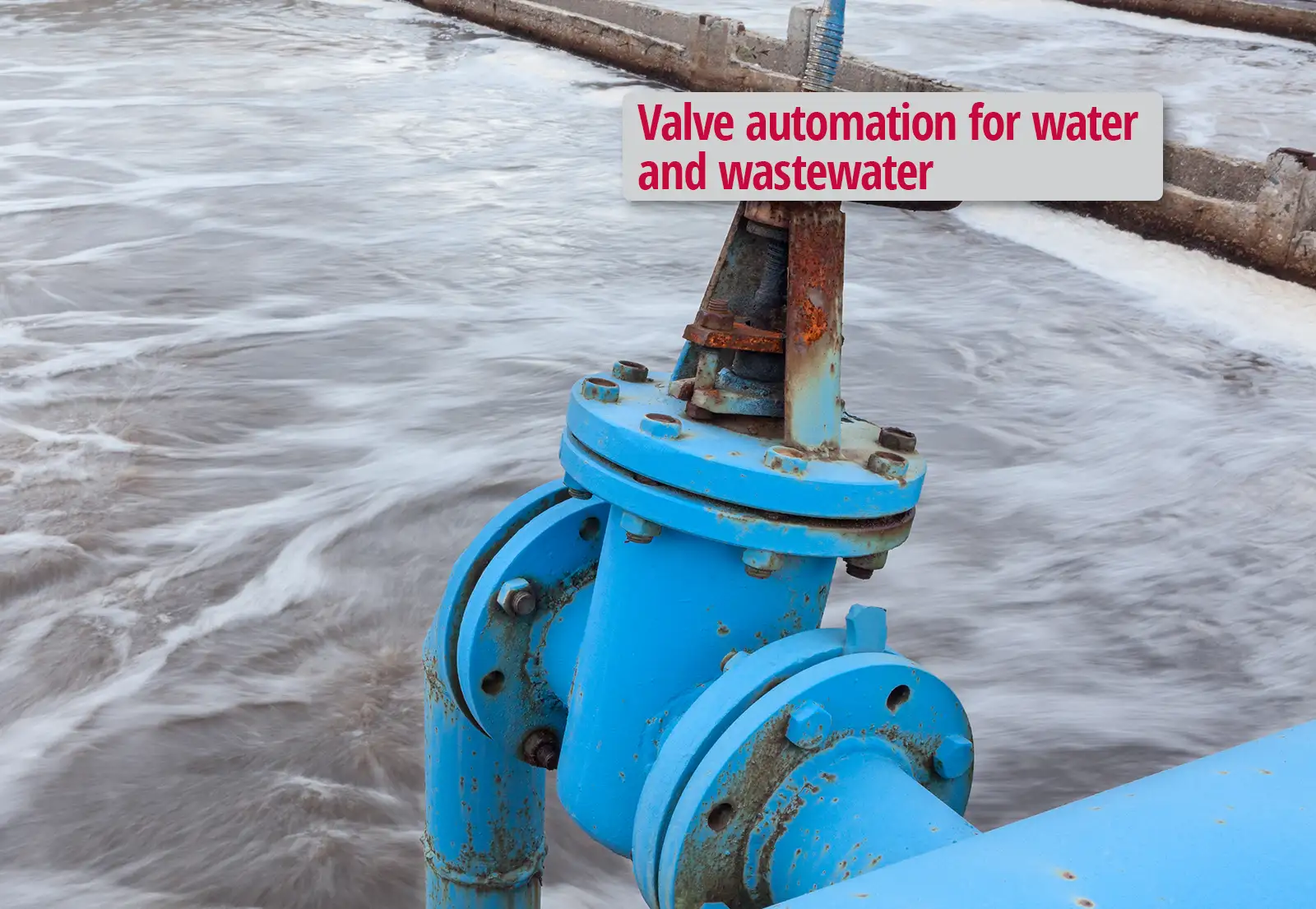
Valve Automation for Water and Wastewater Infrastructure
Valve automation for water and wastewater infrastructure is entering its busiest stretch in decades. The EPA’s most recent needs assessments put the price tag at $625 billion for drinking water infrastructure and $630 billion for wastewater and stormwater systems, both over the next 20 years (EPA, 7th Drinking Water Infrastructure Needs Survey and Assessment; EPA,…
-
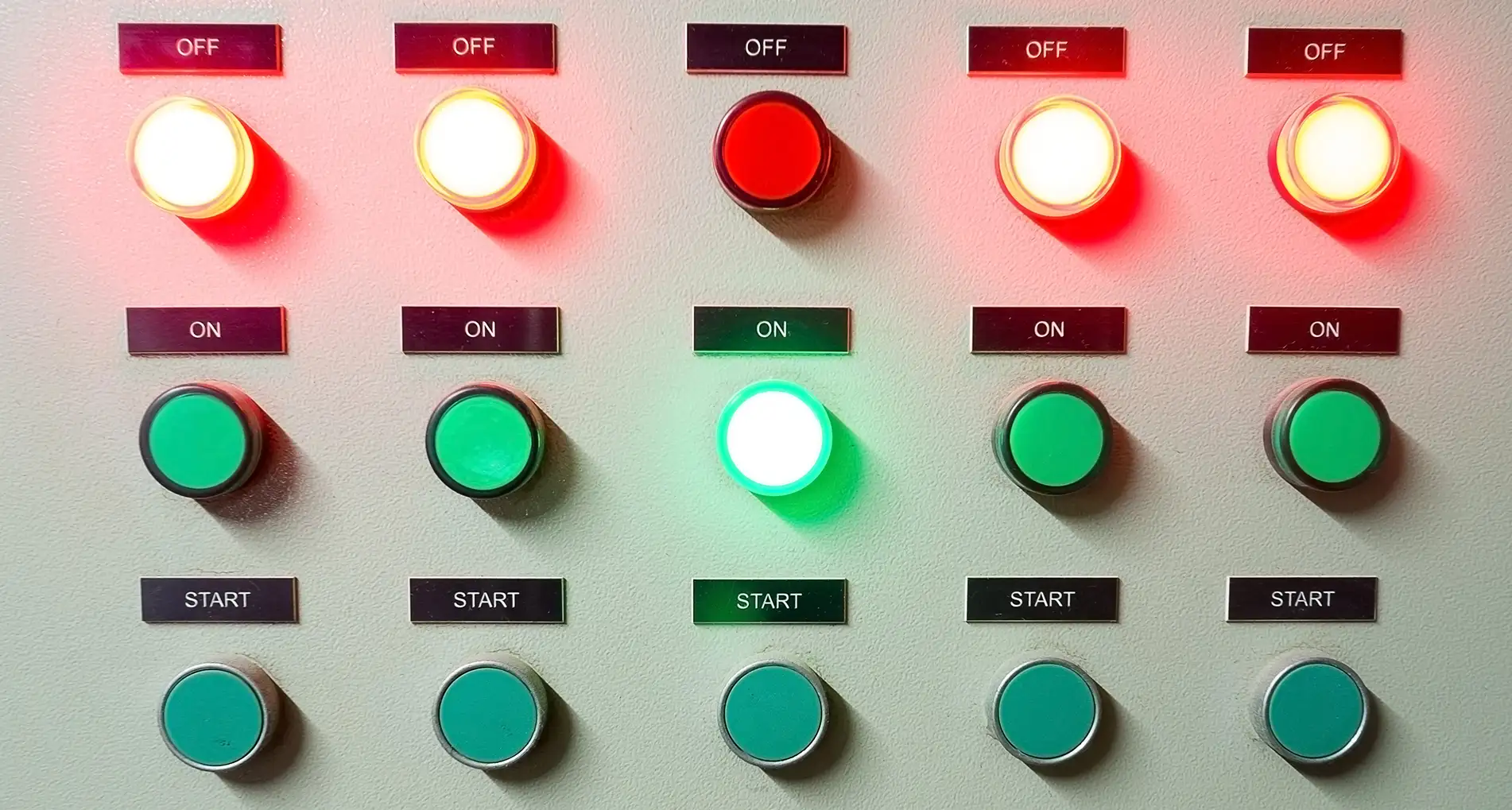
Valve Limit Switches: Your Position Feedback Questions Answered
Valve position feedback tells you more than whether a valve is powered—it confirms whether it’s actually open or closed. That distinction matters for sequencing, interlocks, alarms, troubleshooting, and safer maintenance. In this blog, I answer the most common questions our customers ask about specifying it correctly. What does valve position feedback mean, and how is…
-
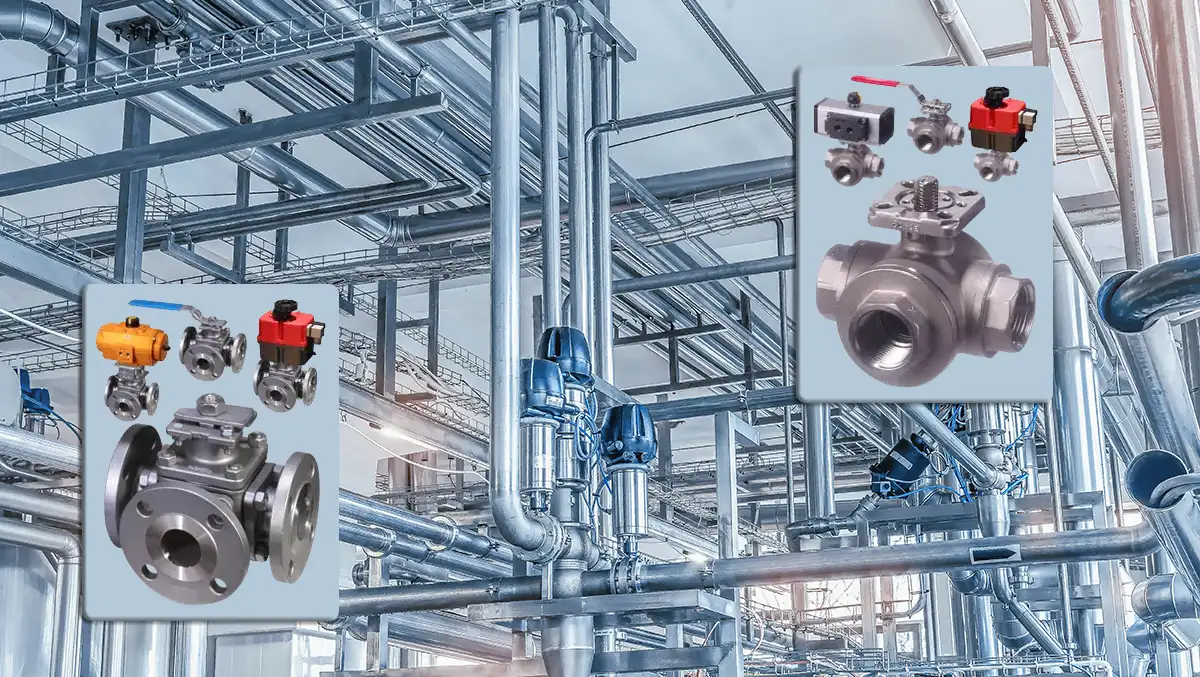
Actuated 3-Way Ball Valve Selection: L-Port vs. T-Port for Diverting, Mixing, and Bypass Service
Choosing an L-port or T-port 3-way ball valve looks like a small configuration decision on a spec sheet. In practice, it determines whether the valve does what the process actually needs it to do. Get it wrong, and the mistake usually doesn’t surface until commissioning — after the valve is already piped, welded, flanged, or…
-
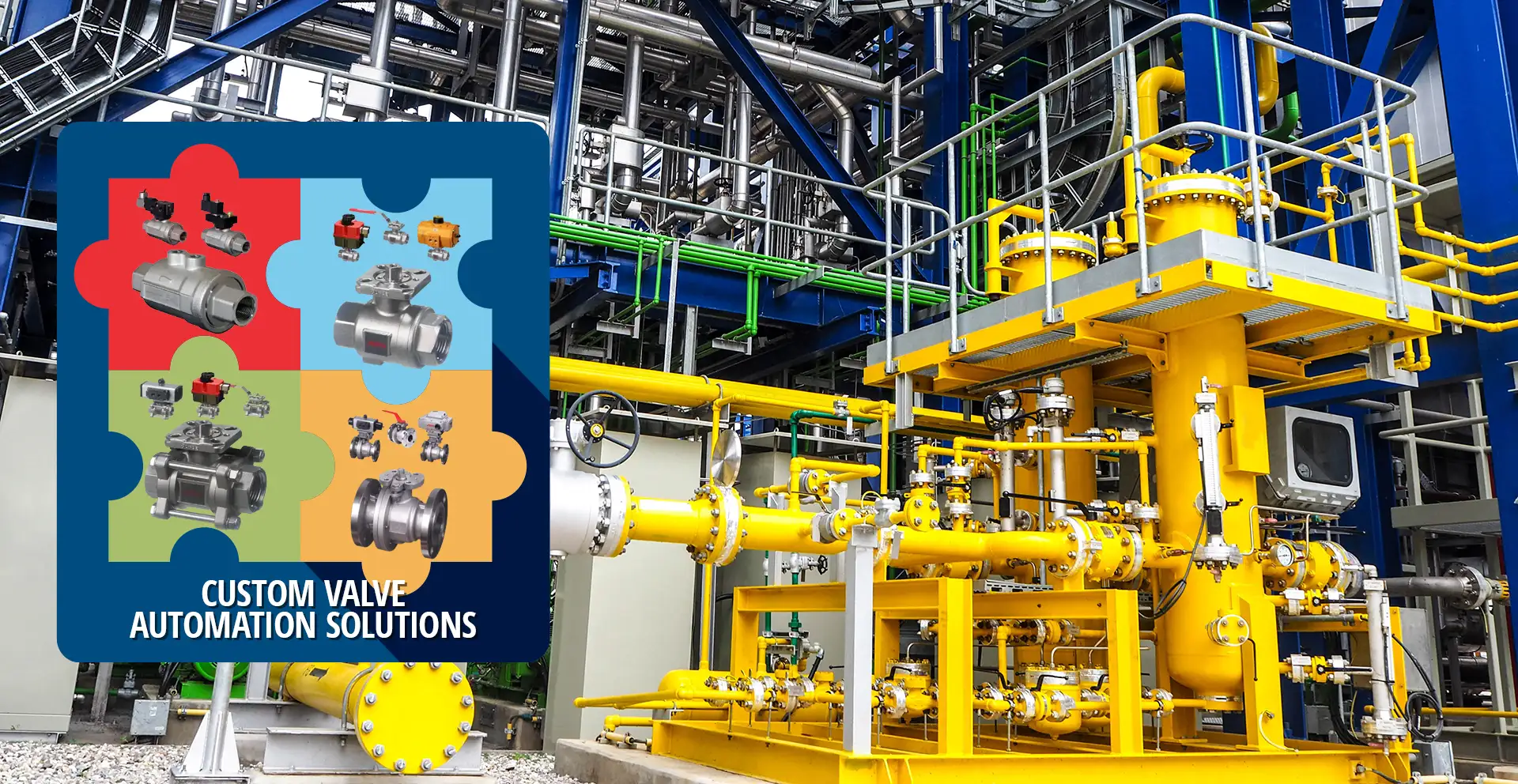
Custom Valve Automation Solutions When Standard Assemblies are Not Enough
Custom valve automation doesn’t always mean starting from scratch. More often, it is about solving one critical application detail that prevents a standard actuated valve assembly from being the right solution. The valve body may be suitable, but the actuator does not provide the required fail-safe action. The valve may perform correctly, but it will…
-
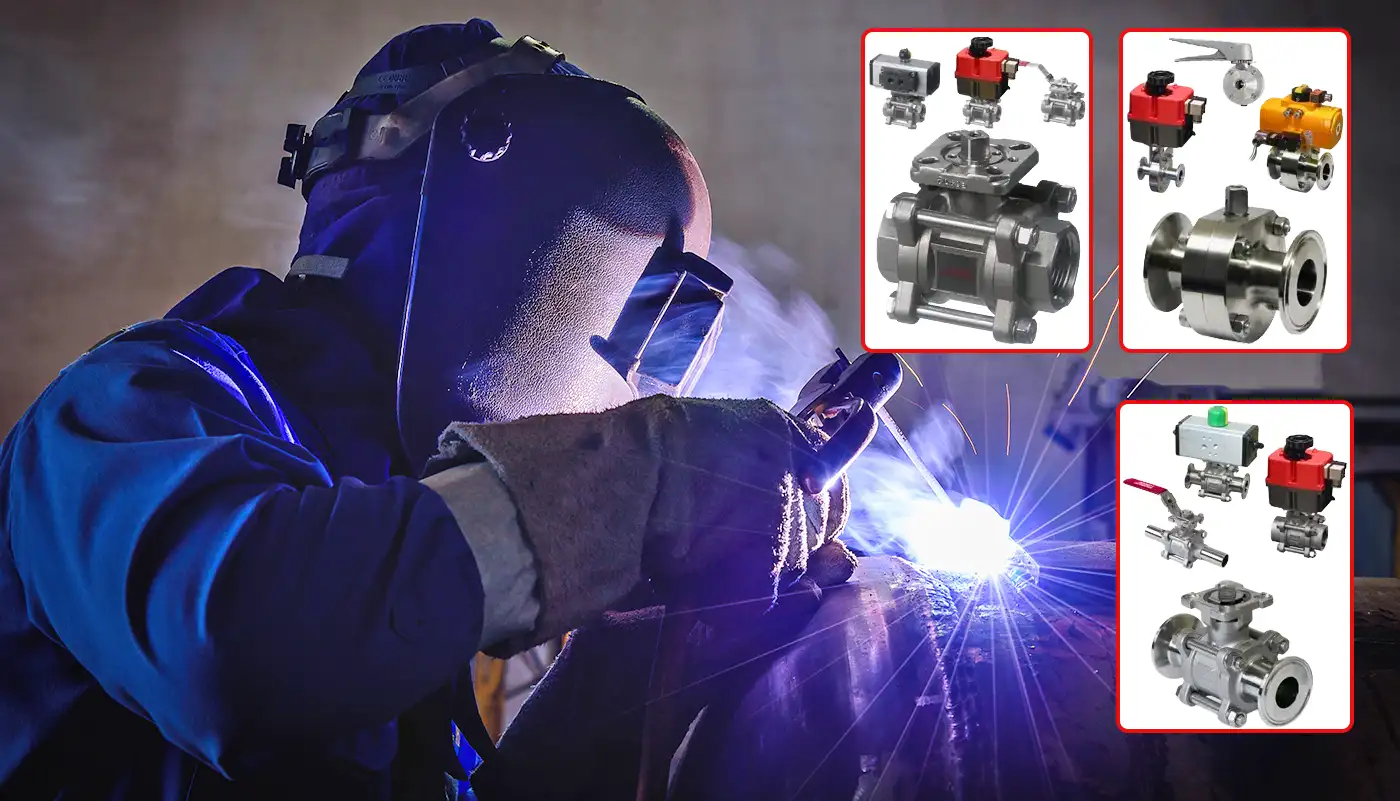
When Welded Valve Connections Make Sense and When They Don’t
Welded valve connections deserve careful consideration. They are easy to overlook until they create a problem. A valve may be correctly sized, properly automated, and made from the right materials. However, the wrong end connection can still lead to leakage, installation headaches, maintenance problems, or unnecessary downtime. Welded valve connections are not automatically better than…
-
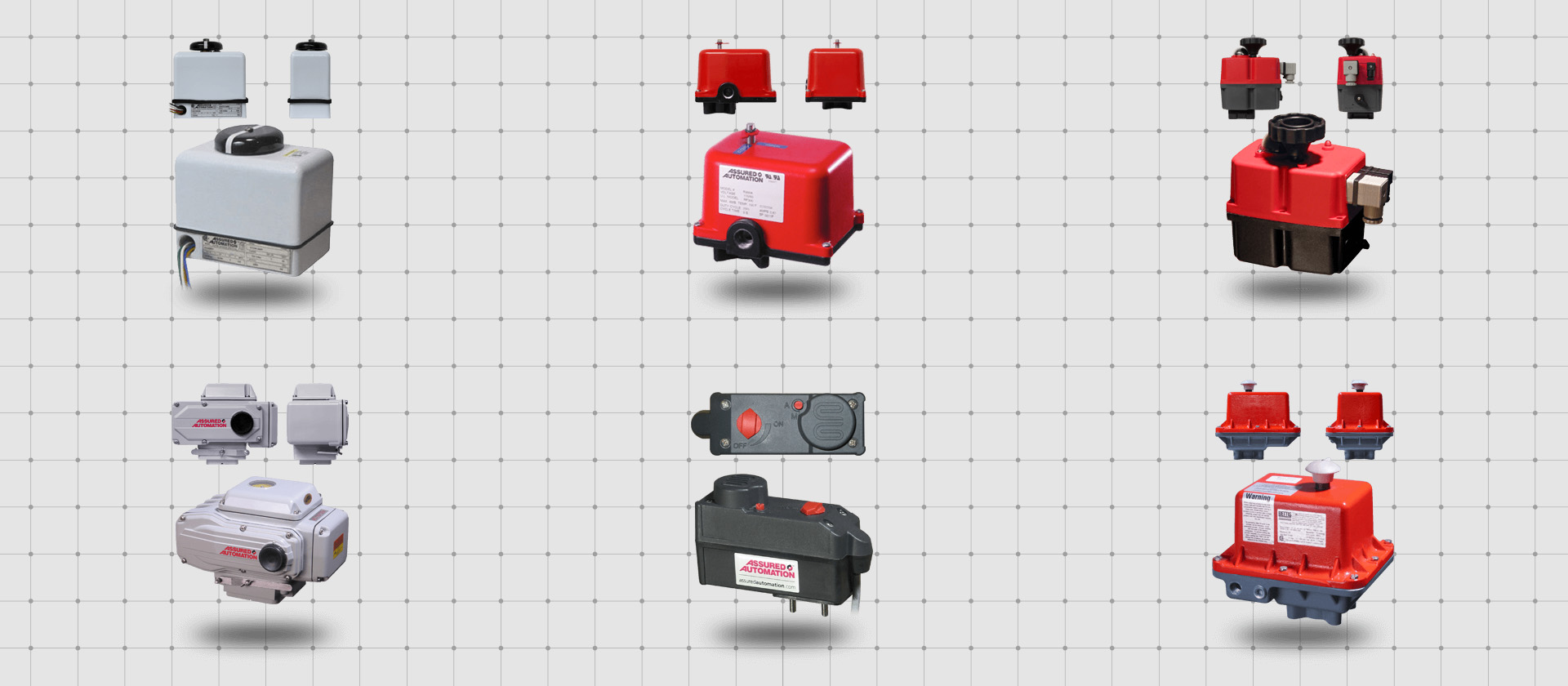
When Electric Valve Automation May Be Better Than Compressed Air
Electric valve automation is worth considering when compressed air is not readily available at the valve location, extending it is too expensive, it is unreliable, or more than the application requires. While compressed air is common in many industrial plants, it does not mean plant air is available everywhere it is needed. Running air lines to…
-
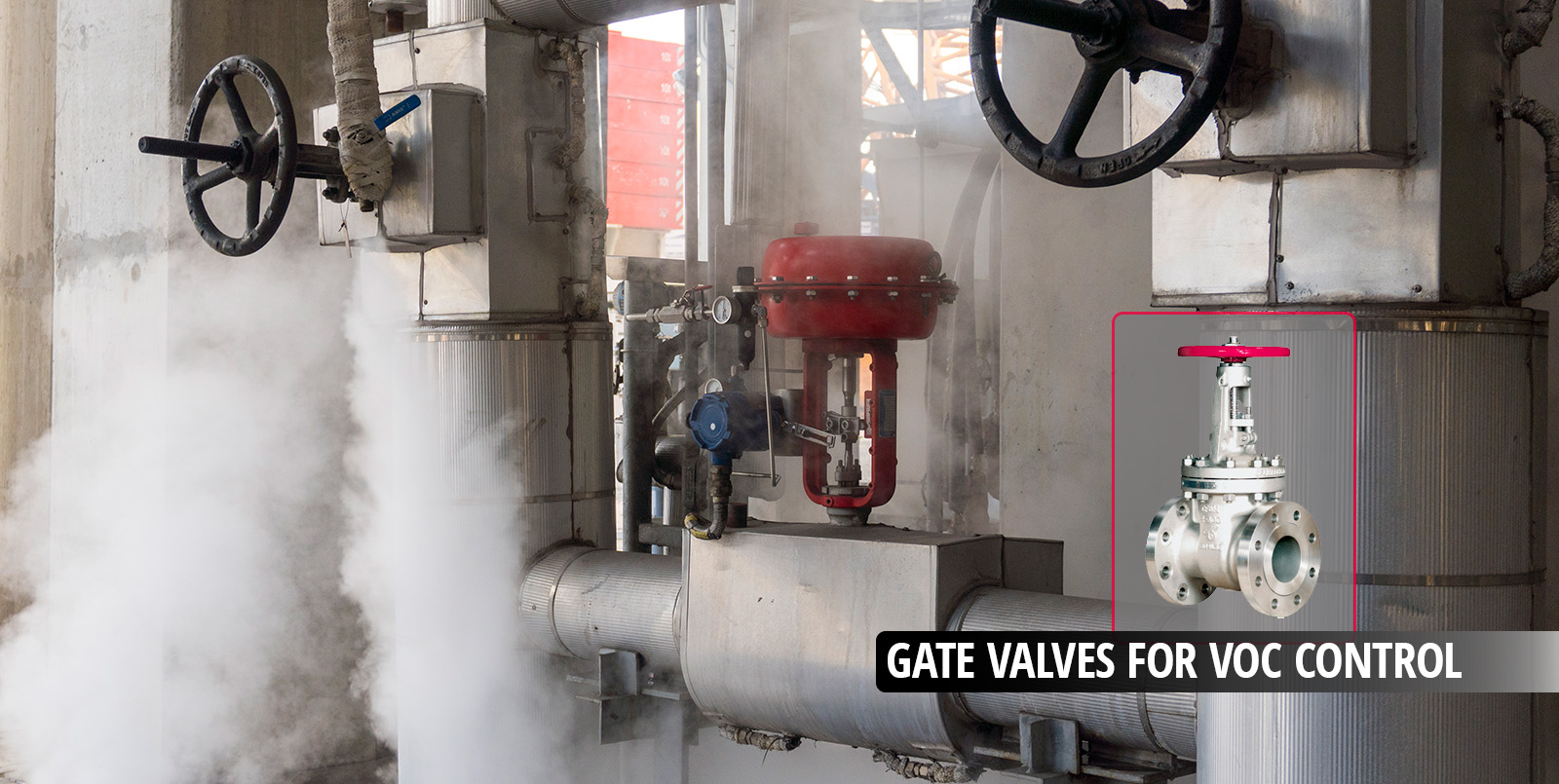
Low Emission Gate Valves for VOC Control in Refineries and Chemical Plants
In refineries, chemical plants, and power generation facilities, low emission gate valves do more than just start and stop flow. They can also become potential leak points when handling volatile organic compounds, or VOCs. That makes valve selection an important part of a broader emissions-control strategy. The EPA identifies leaking equipment, including valves, pumps, and…
-
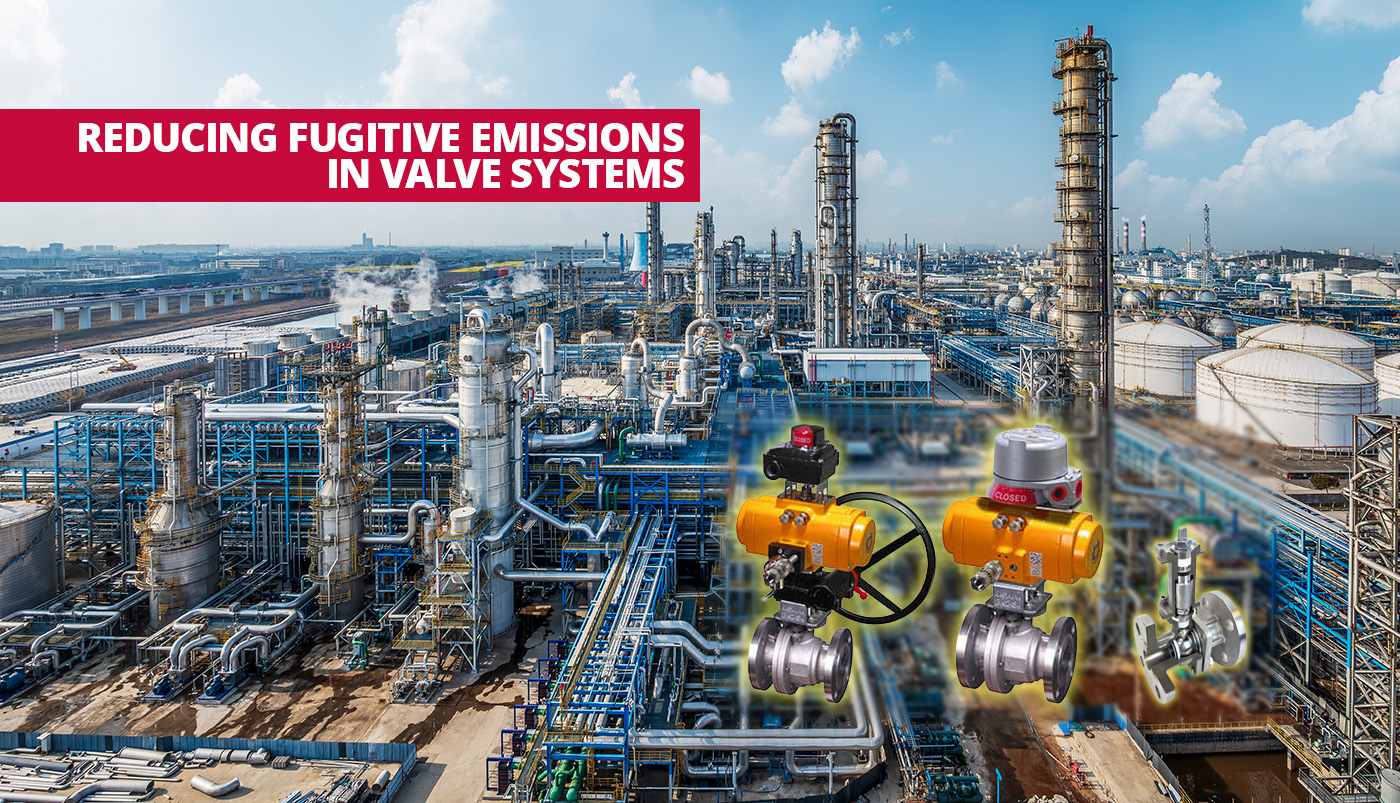
Reducing Fugitive Emissions in Valve Systems with Smart Selection and Automation
Reducing fugitive emissions in valve systems is getting more attention for good reasons. These leaks are often invisible. They can start small. They may not trigger immediate alarms. But over time, they create real problems. Product loss. Safety concerns. More maintenance. More downtime. More regulatory pressure. According to the Global Methane Tracker 2025 report published by the…
-
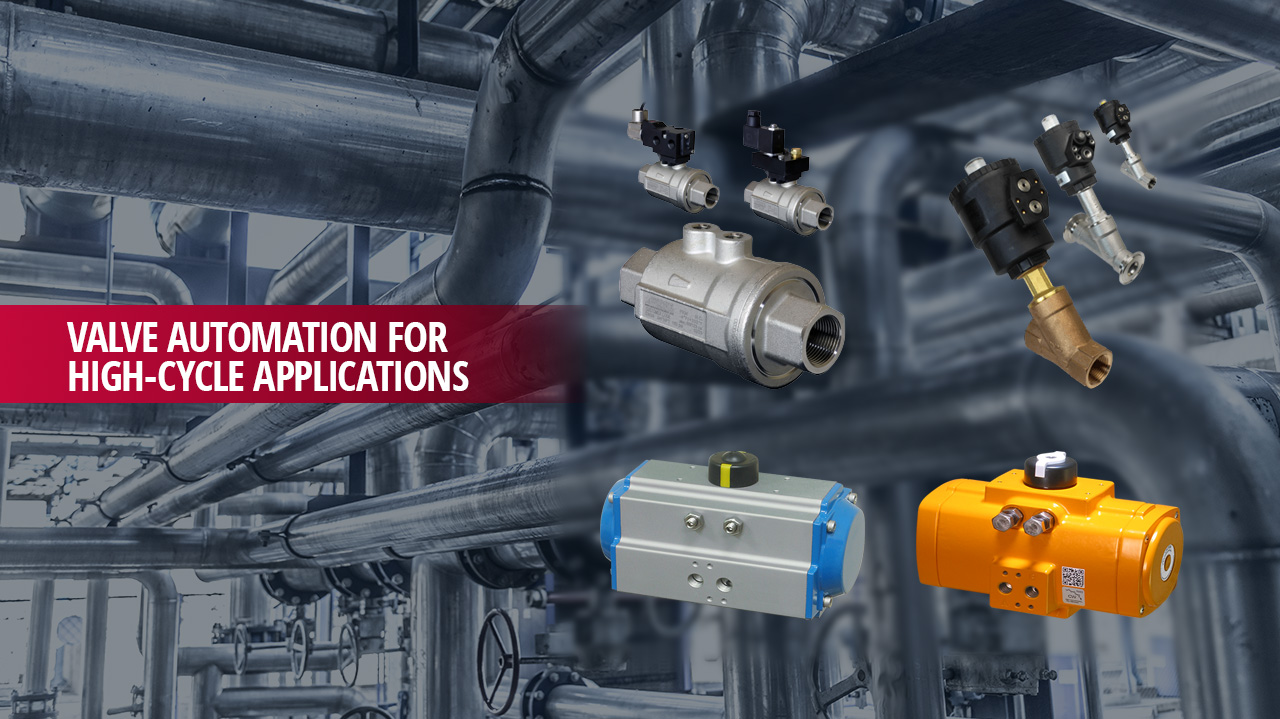
Designing Valve Automation for High-Cycle Applications
Valve automation for high-cycle applications places unique demands on valves, actuators, and control components. In many automated processes, valves may open and close thousands of times per day, making reliability and mechanical durability critical. These environments are common in many industries, including: In some industrial systems, the cycling demand can be extremely high. For example, valves…
-

Automated Valves for Data Center Redundancy and Fail-Safe Systems
Modern data centers are engineered around redundancy models such as N+1 and 2N to prevent downtime. Every major cooling, power, and fluid-handling subsystem is designed with backup capacity. However, redundancy only performs as intended when isolation and control components respond instantly and predictably. At the same time, compute density — the amount of processing power…
-
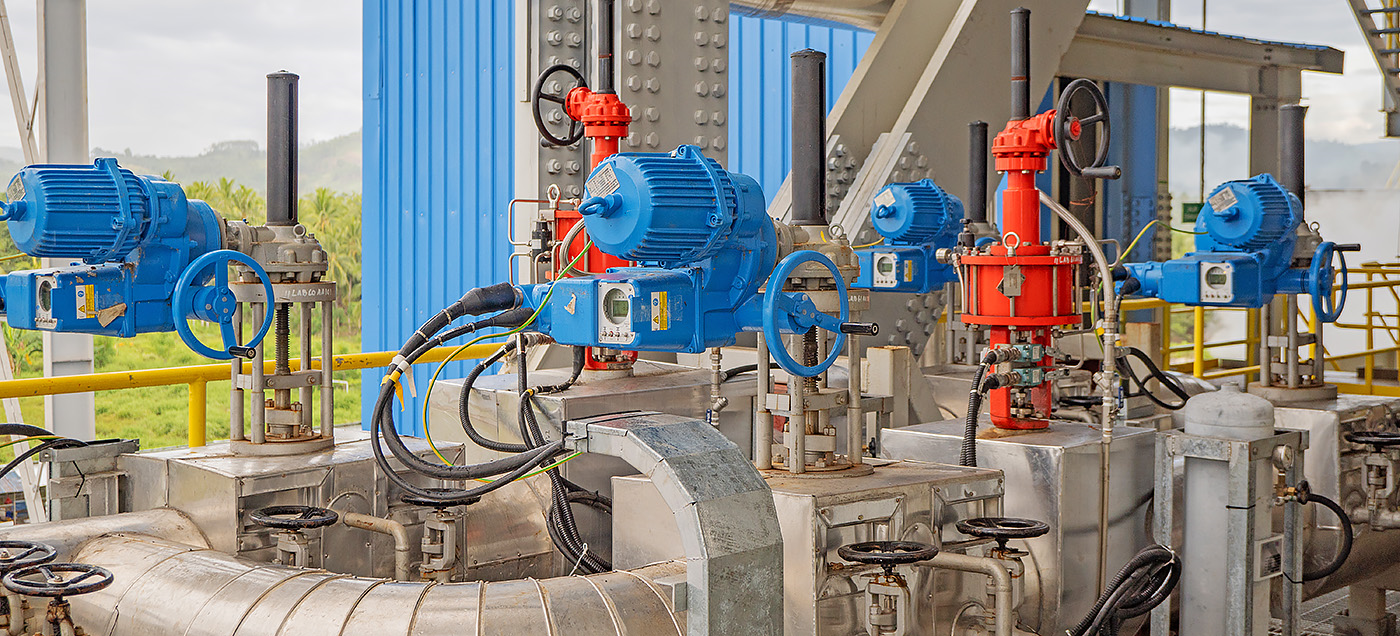
How Automated Valves for Fluid Handling Improve Performance in Critical Applications
In critical fluid handling applications, performance issues rarely appear all at once. They surface as unplanned downtime, inconsistent product quality, rising maintenance demands, or growing safety concerns. These problems are usually symptoms of deeper system limitations, not isolated failures. As operating conditions become more demanding, small inconsistencies in flow control or response time can disrupt…
-
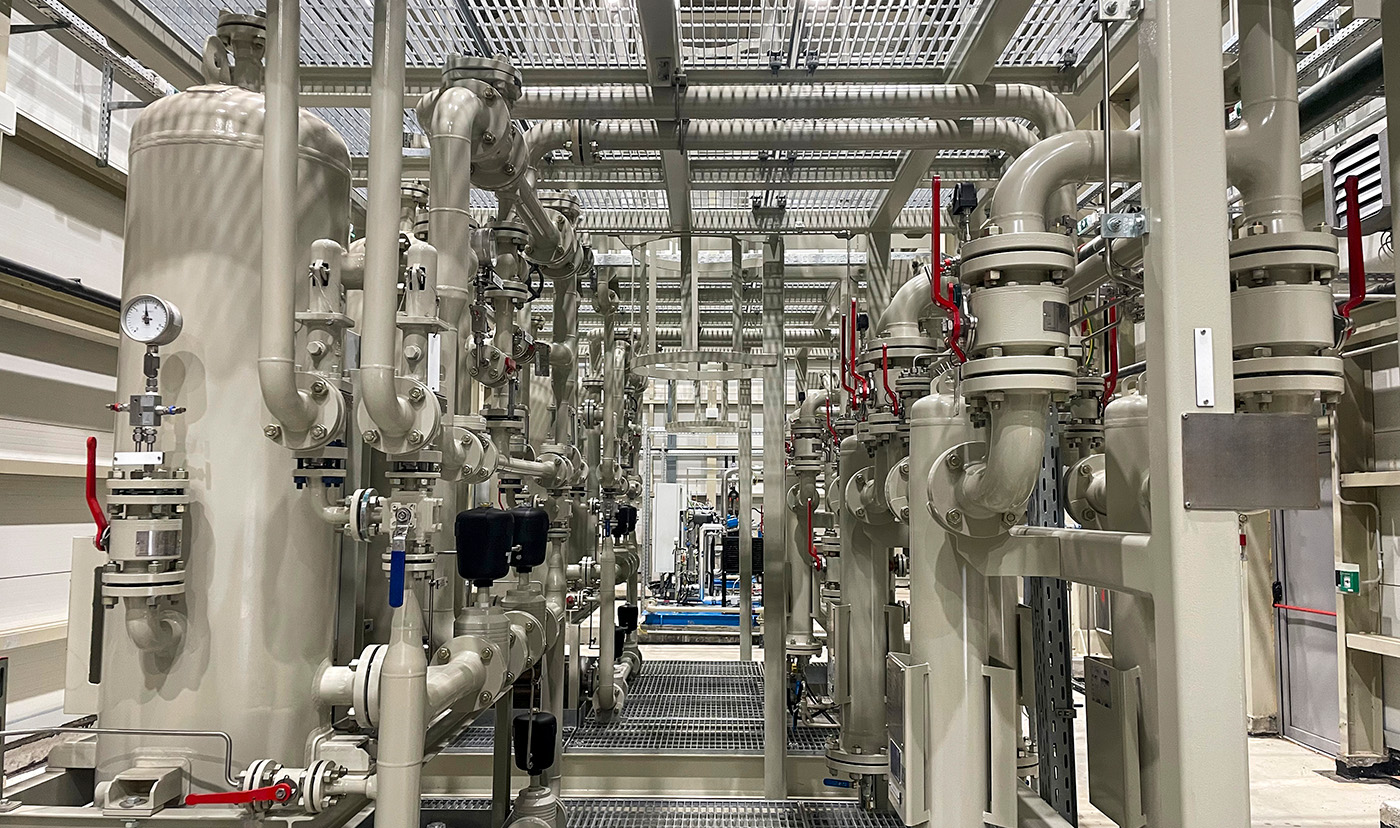
Designing Valve Automation Systems for Reliability, Maintainability, and Long-Term Performance
Designing valve automation systems is not just about selecting a valve and actuator that fit the pipe. Reliability, maintainability, and long-term performance are determined early—often before the system is ever installed. Poor design decisions may not show up on day one. They show up later as downtime, premature failures, and difficult maintenance. Reliable valve automation…