Our Latest Posts
-
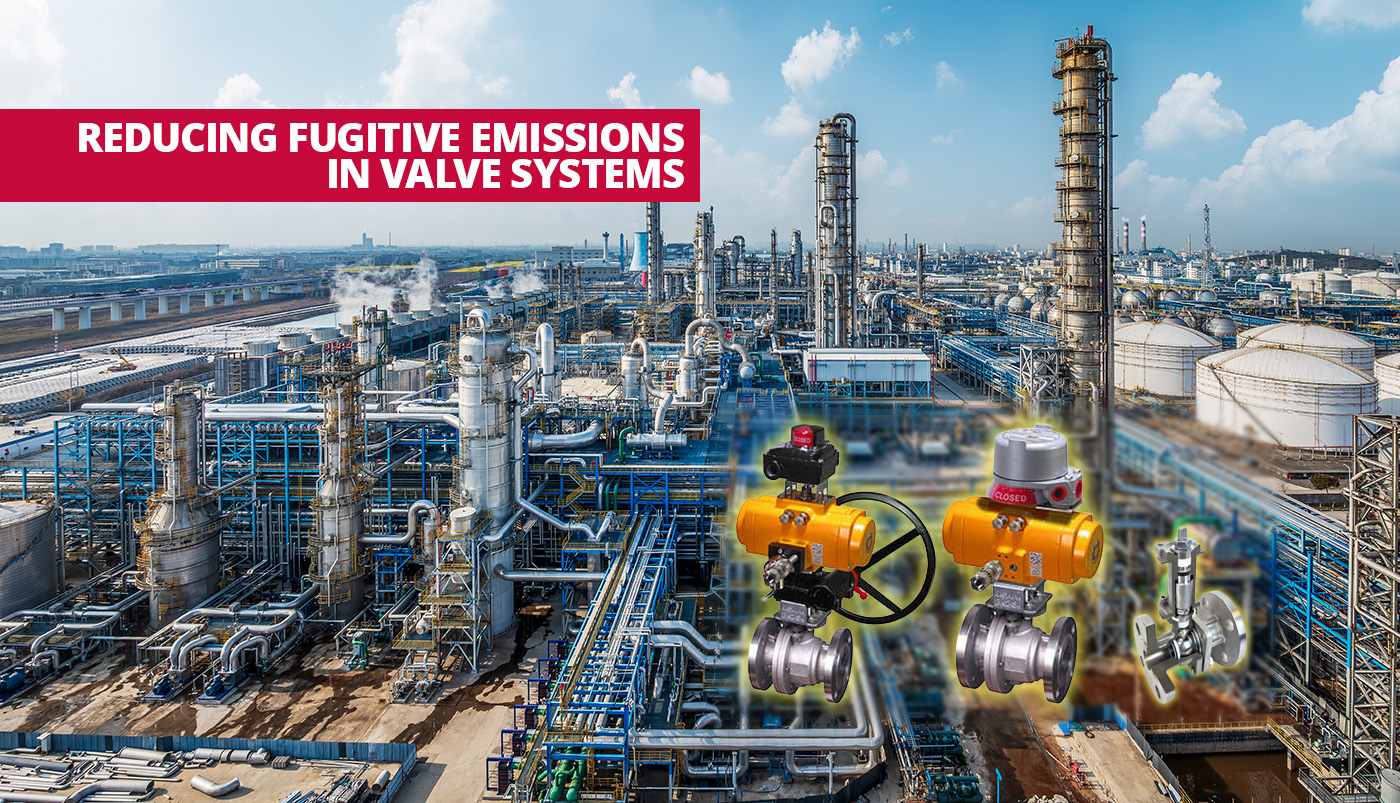
Reducing Fugitive Emissions in Valve Systems with Smart Selection and Automation
Reducing fugitive emissions in valve systems is getting more attention for good reasons. These leaks are often invisible. They can start small. They may not trigger immediate alarms. But over time, they create real problems. Product loss. Safety concerns. More maintenance. More downtime. More regulatory pressure. According to the Global Methane Tracker 2025 report published by the…
-
![P&IDs (Piping & Instrumentation Diagrams) and P&ID Valve Symbol Library — [DUP]](https://blog.assuredautomation.com/wp-content/uploads/2017/12/PnID.jpg)
P&IDs (Piping & Instrumentation Diagrams) and P&ID Valve Symbol Library — [DUP]
A piping and instrumentation diagram (P&ID) is a graphic representation of a process system that includes the piping, vessels, control valves, instrumentation, and other process components and equipment in the system. The P&ID is the primary schematic drawing used for laying out a process control system’s installation. As such, the P&ID is crucial in all…
-
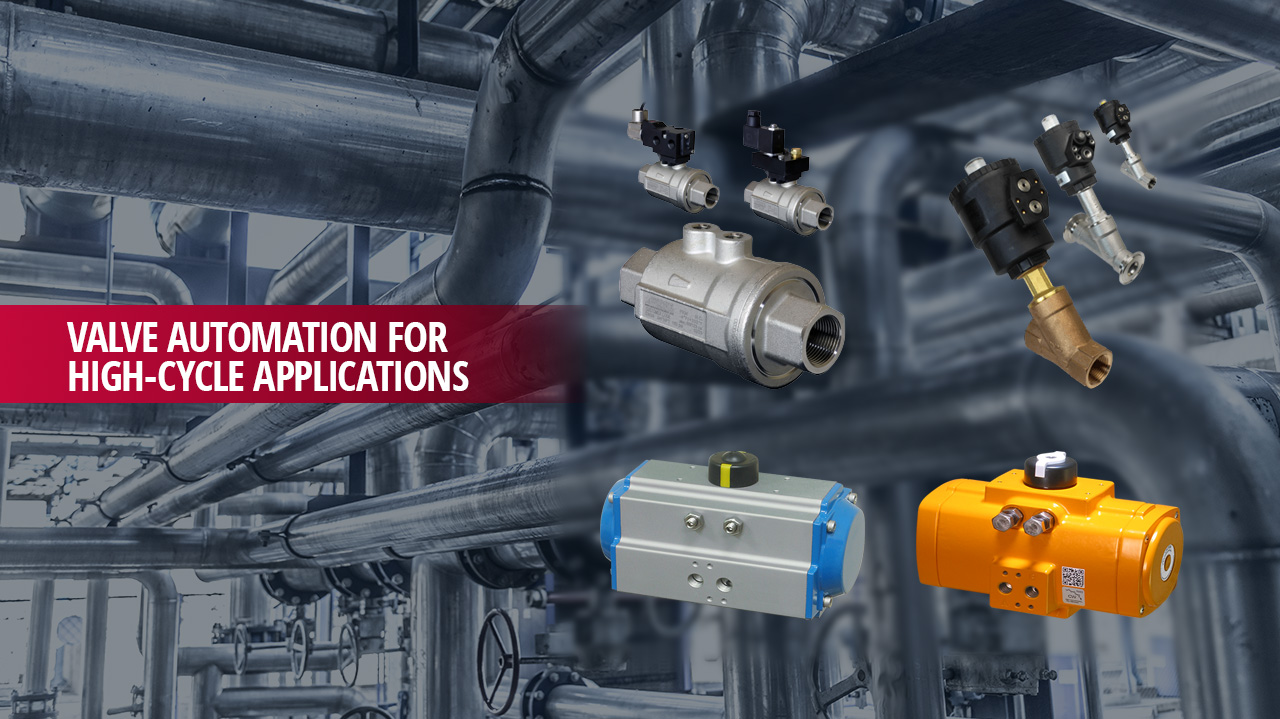
Designing Valve Automation for High-Cycle Applications
Valve automation for high-cycle applications places unique demands on valves, actuators, and control components. In many automated processes, valves may open and close thousands of times per day, making reliability and mechanical durability critical. These environments are common in many industries, including: In some industrial systems, the cycling demand can be extremely high. For example, valves…
-

Automated Valves for Data Center Redundancy and Fail-Safe Systems
Modern data centers are engineered around redundancy models such as N+1 and 2N to prevent downtime. Every major cooling, power, and fluid-handling subsystem is designed with backup capacity. However, redundancy only performs as intended when isolation and control components respond instantly and predictably. At the same time, compute density — the amount of processing power…
-
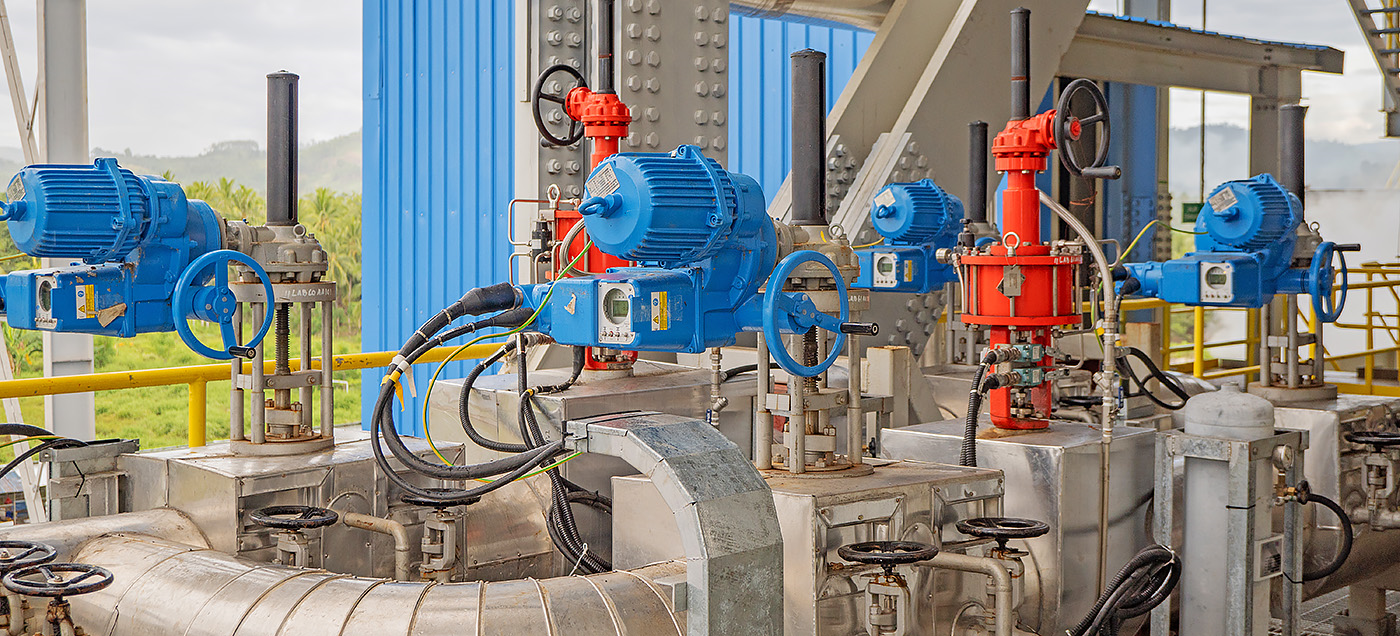
How Automated Valves for Fluid Handling Improve Performance in Critical Applications
In critical fluid handling applications, performance issues rarely appear all at once. They surface as unplanned downtime, inconsistent product quality, rising maintenance demands, or growing safety concerns. These problems are usually symptoms of deeper system limitations, not isolated failures. As operating conditions become more demanding, small inconsistencies in flow control or response time can disrupt…
-
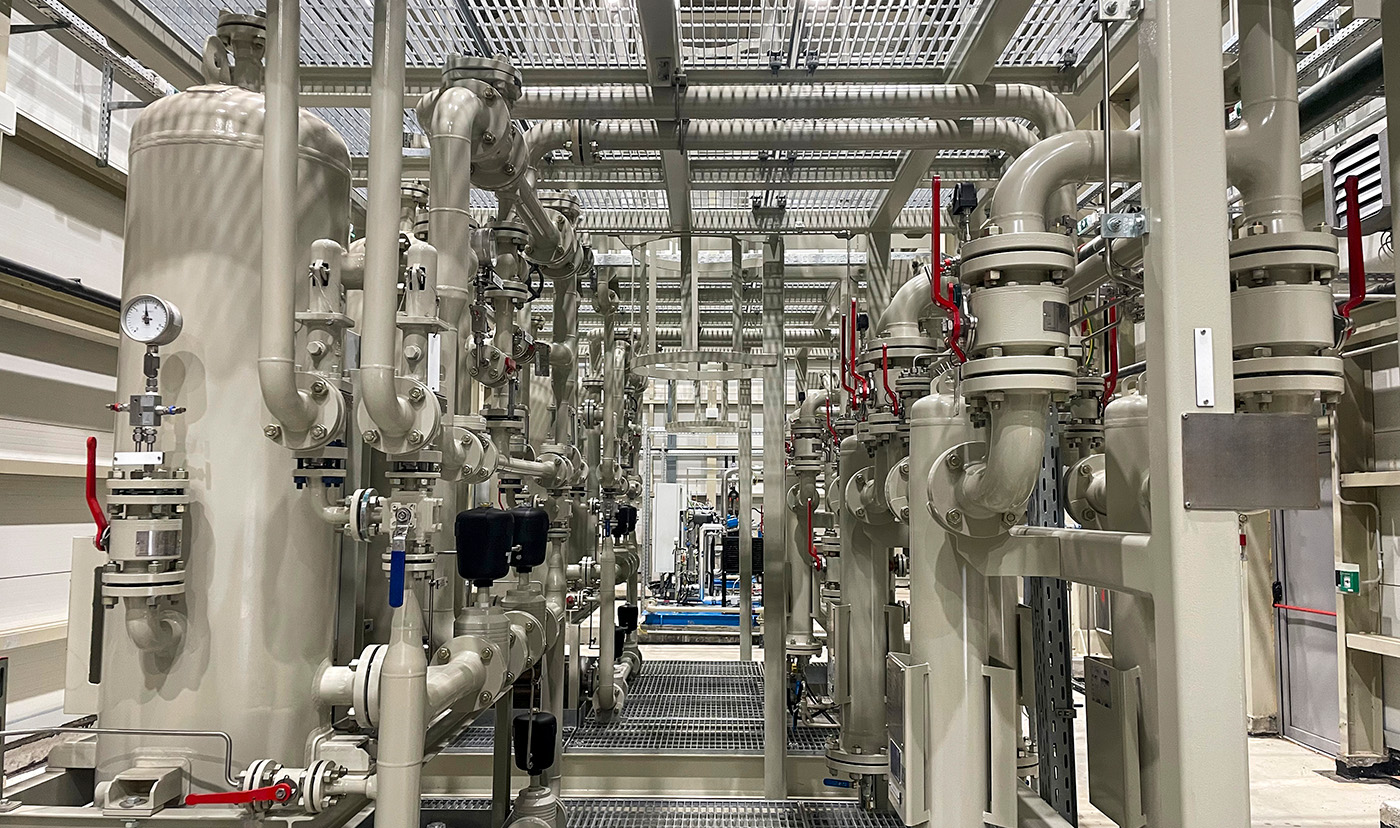
Designing Valve Automation Systems for Reliability, Maintainability, and Long-Term Performance
Designing valve automation systems is not just about selecting a valve and actuator that fit the pipe. Reliability, maintainability, and long-term performance are determined early—often before the system is ever installed. Poor design decisions may not show up on day one. They show up later as downtime, premature failures, and difficult maintenance. Reliable valve automation…
-
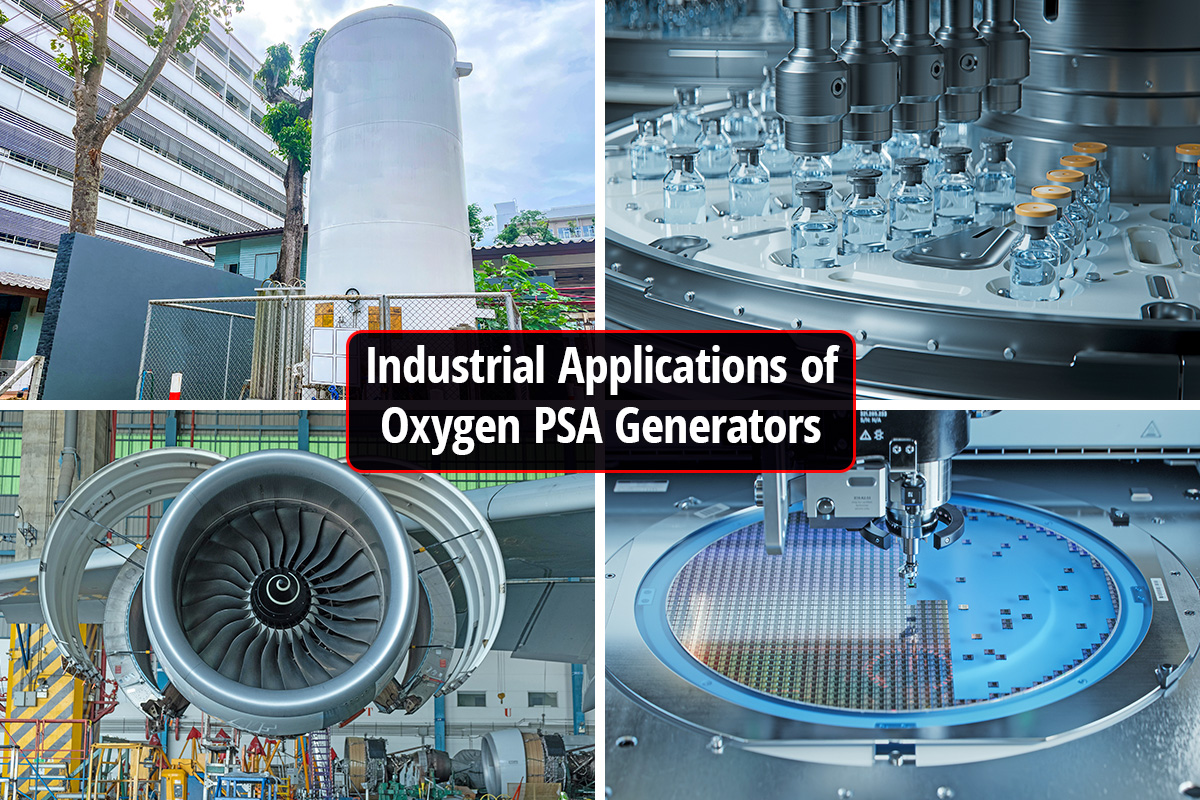
Safety, Purity, and Performance—Key Design Considerations for Valves in Oxygen PSA Generators
Why Valve Design Matters in Oxygen PSA Generators The growing use of oxygen PSA (Pressure Swing Adsorption) systems in medical, industrial, and environmental applications has made valve design a critical engineering priority. These systems depend on precision, cleanliness, and reliability. Unlike nitrogen PSA or other gas applications, oxygen systems present unique challenges. The gas itself…
-
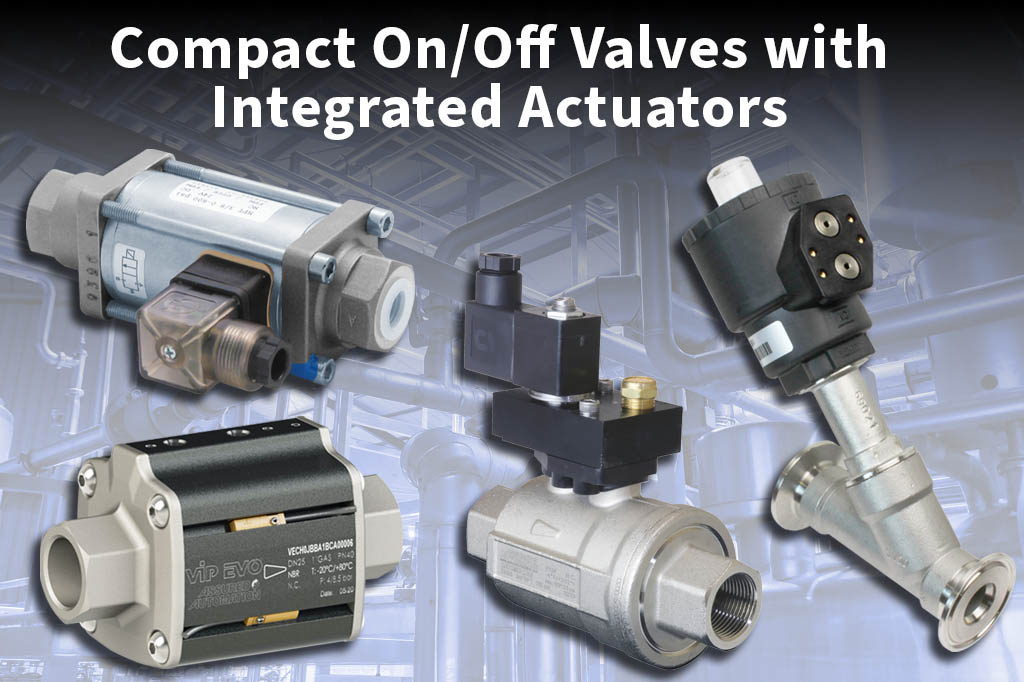
Better than Ball Valves! – Explore these Fast-acting Valves with Integrated Actuators
Ball valves have long been the default choice for on/off control in automated systems. They’re familiar, dependable, and widely available. However, when fast response, long cycle life, and air efficiency matter most, engineers are looking beyond traditional ball valves. Fast-acting valves with integrated actuators deliver quicker response times, higher reliability, and compact designs that outperform…
-
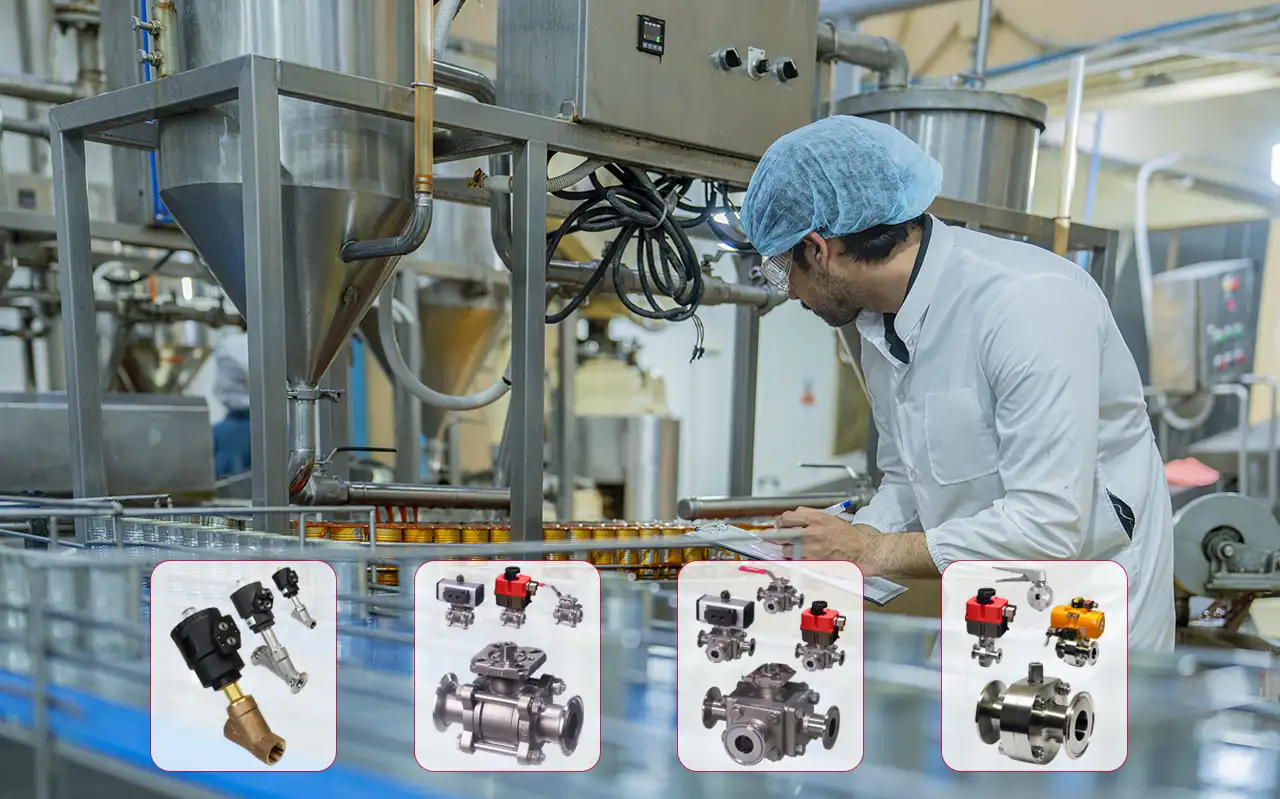
From Manual to Smartest: How Automated Valves Streamline CIP & SIP in Food & Beverage Plants
In any food or beverage production facility, clean-in-place (CIP) and sterilize-in-place (SIP) systems are nonnegotiable components of process integrity and safety. As you know, plants must maintain strict sanitation standards to comply with regulatory agencies and avoid product recalls, contamination events, or shutdowns. This is why automated valves in CIP and SIP play an essential…
-
How NFPA 30 Impacts Valve Selection for Thermal Shutoff in Hazardous Environments
When handling flammable and combustible liquids, safety isn’t optional—it’s a code requirement. The NFPA 30 Flammable and Combustible Liquids Code establishes the standards for storing, transferring, and protecting these liquids to minimize the risk of fire. One critical aspect of compliance involves valve selection, particularly when it comes to thermal shutoff and emergency shutdown functions.…
-
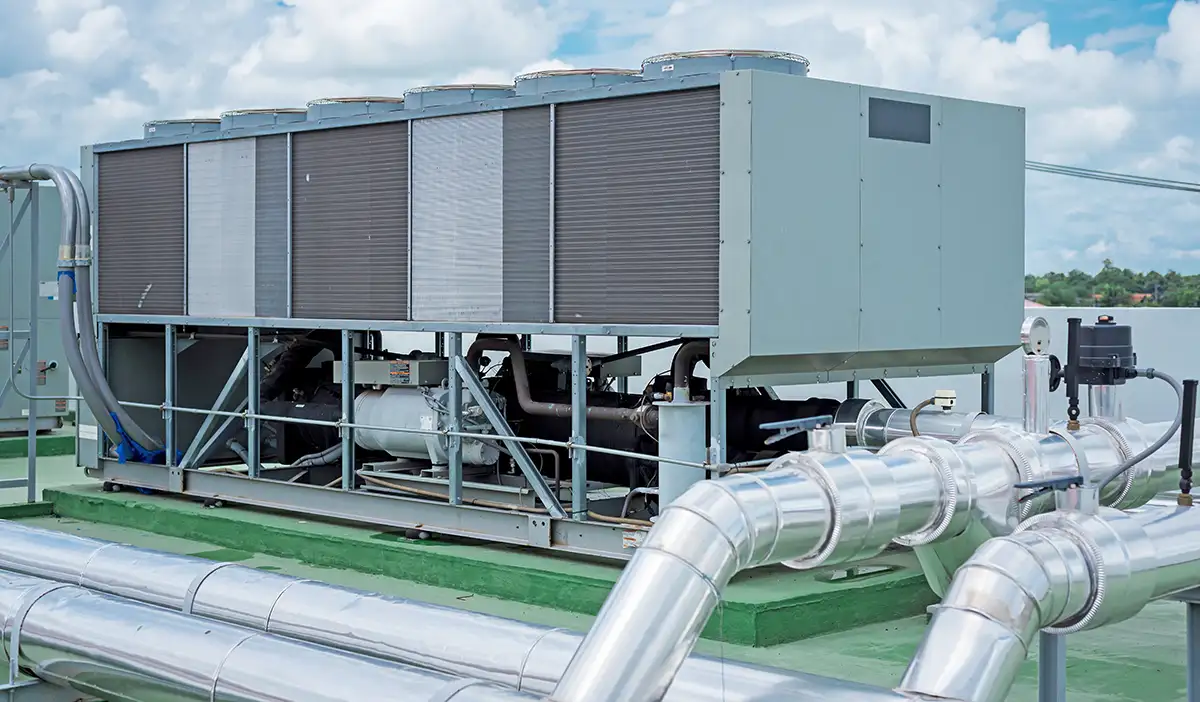
Modernizing HVAC Systems with Automated Valve Solutions—Field Applications & Best Practices
Automated valves for HVAC systems are transforming how engineers improve efficiency and reliability. From field applications to best practices, automation delivers measurable gains. Heating, ventilation, and air conditioning (HVAC) systems are essential for comfort and efficiency in commercial and industrial facilities. Yet many still run below optimal performance. Faulty or improperly programmed HVAC controls can…
-

Evolving Valve Automation for Biofuels: What Today’s Producers Need to Know
The biofuels industry has come a long way since its early days of small pilot plants and single-feedstock processing. In the U.S., the market was valued at USD 63.5 billion in 2023 and is projected to grow at a 5.1% CAGR through 2030 (Grand View Research). Sustainable Aviation Fuel (SAF) is a particularly fast-growing segment.…